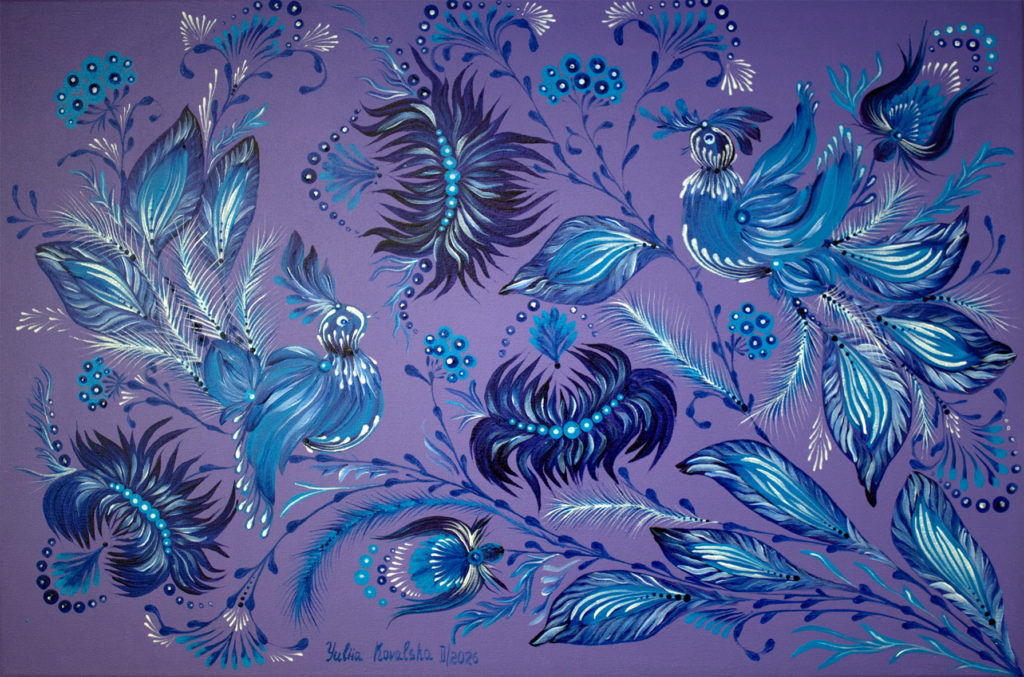
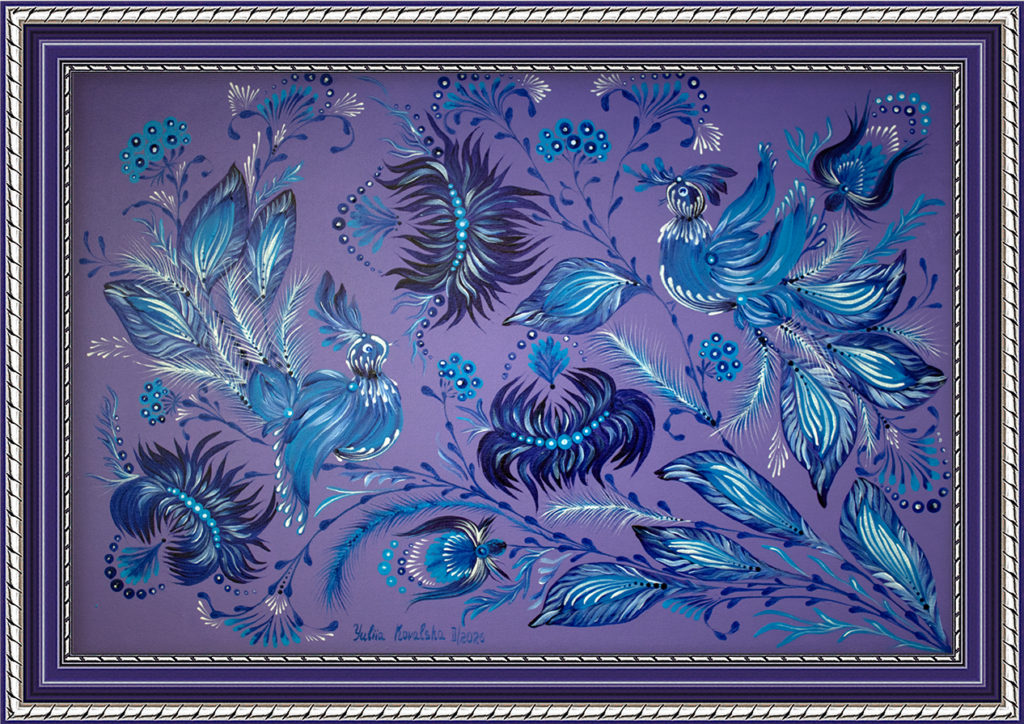
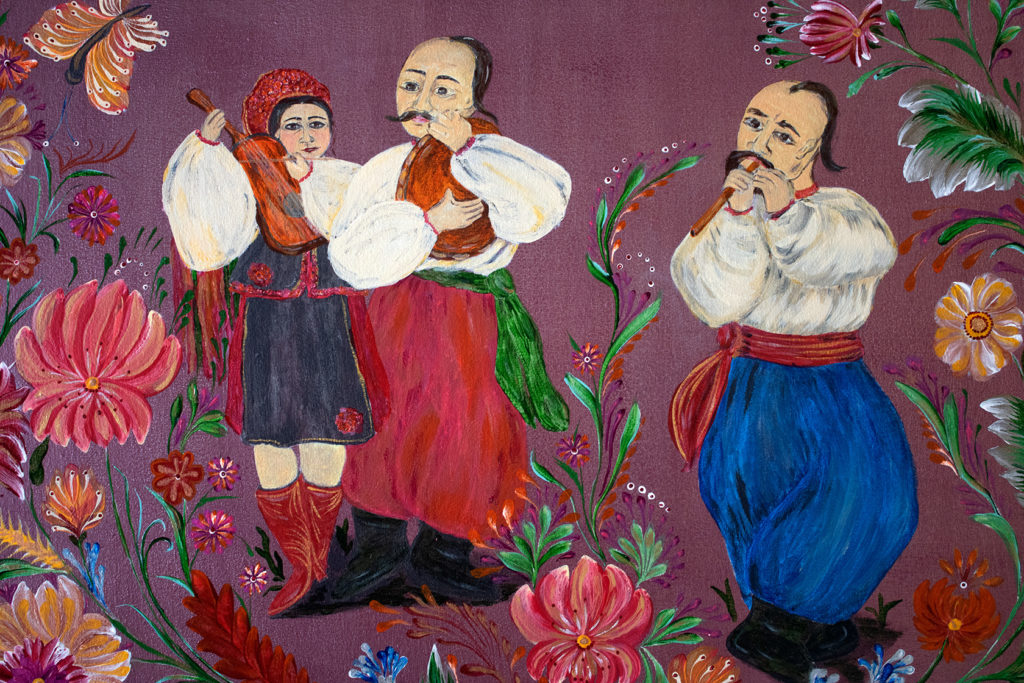
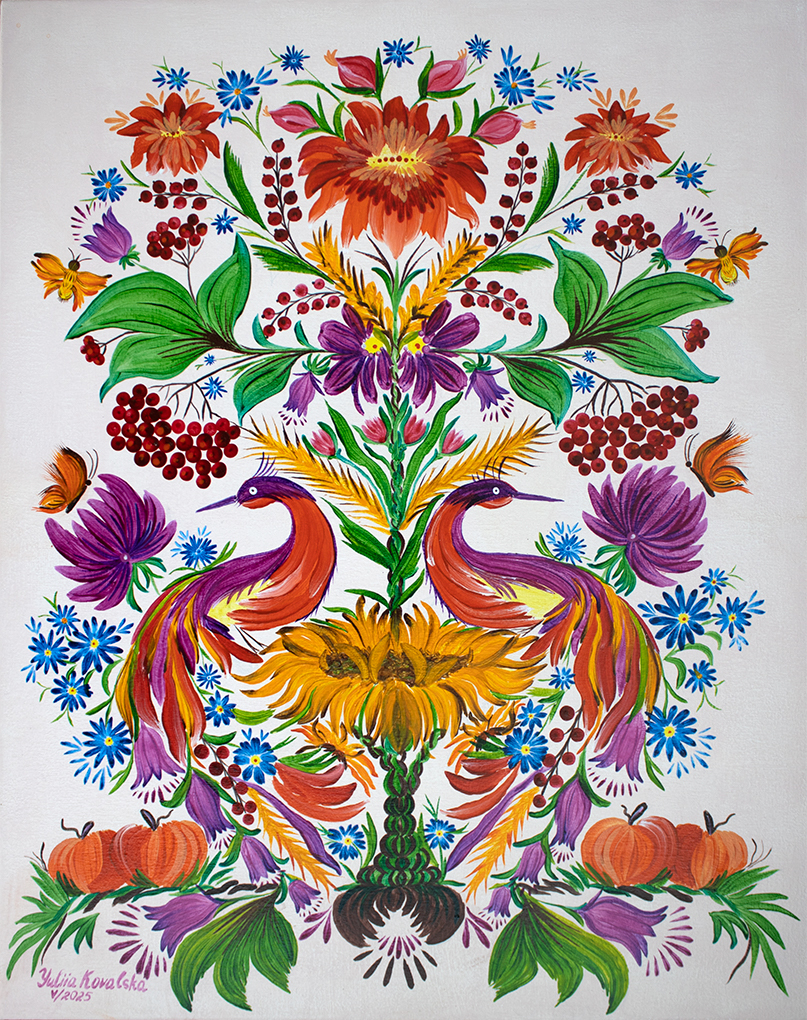
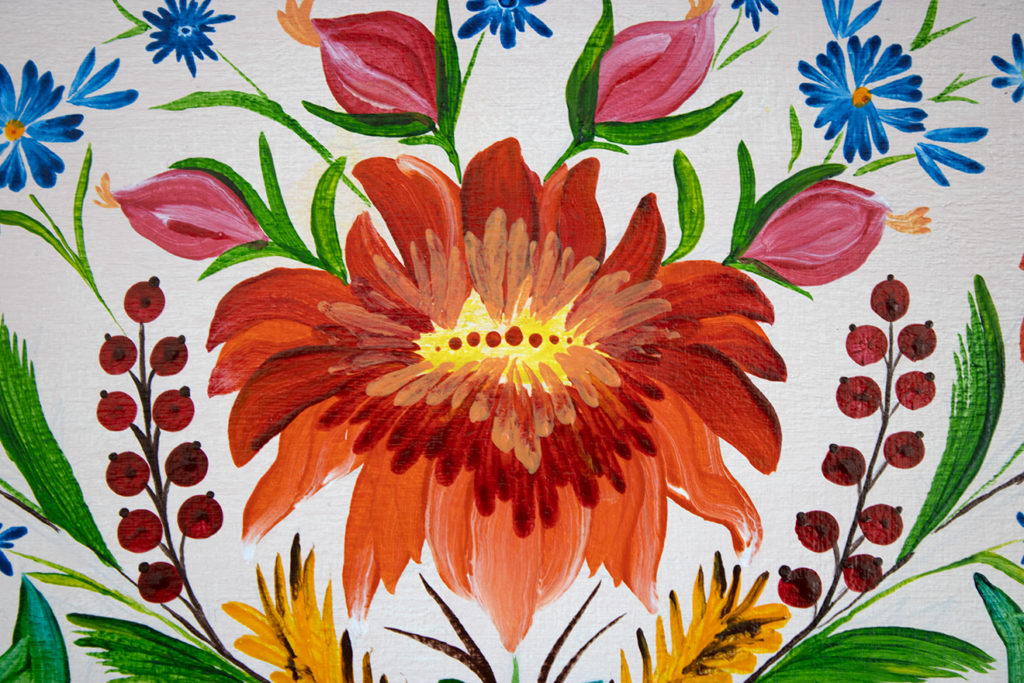
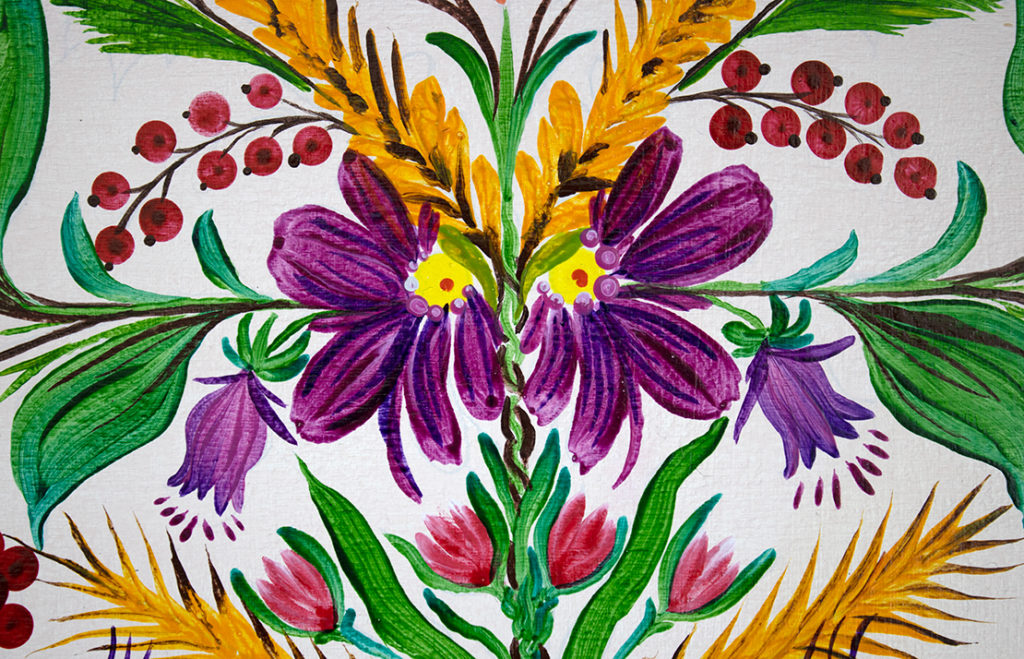
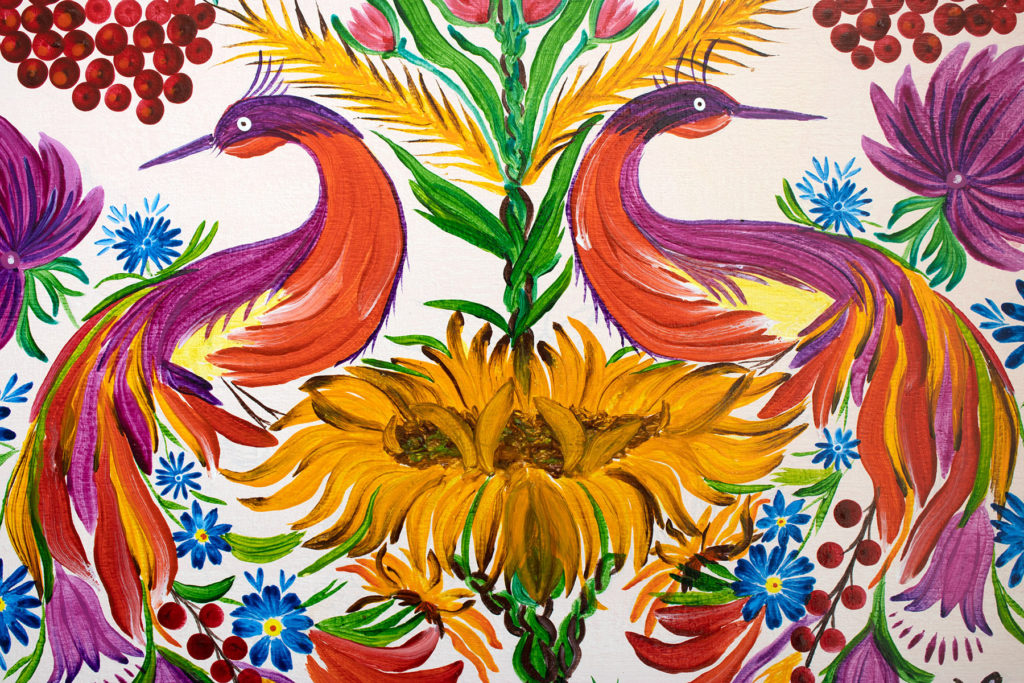
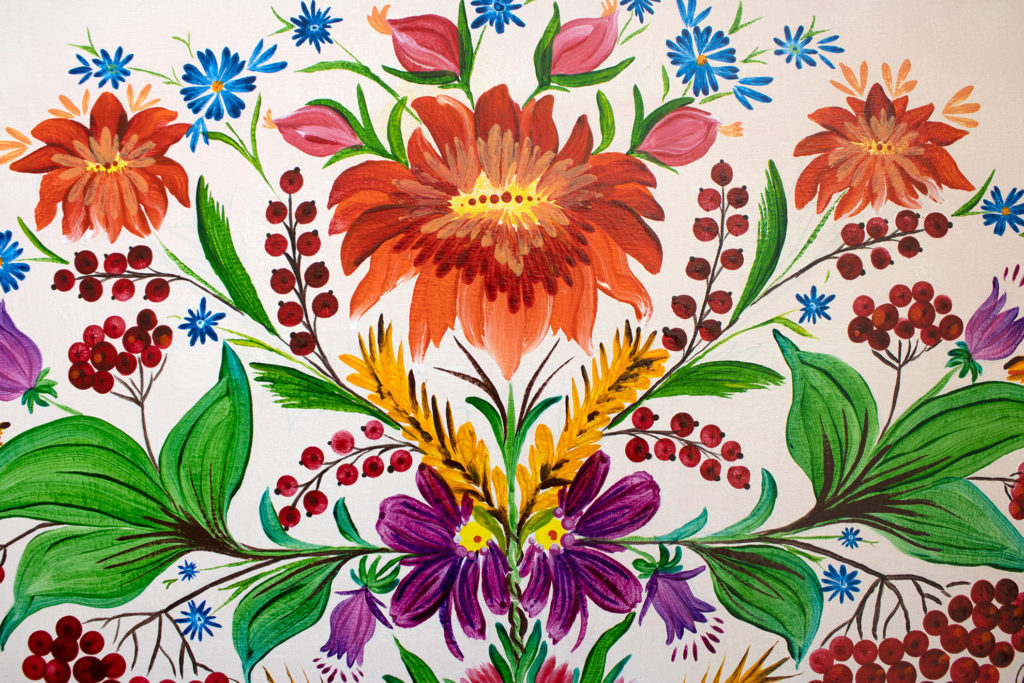
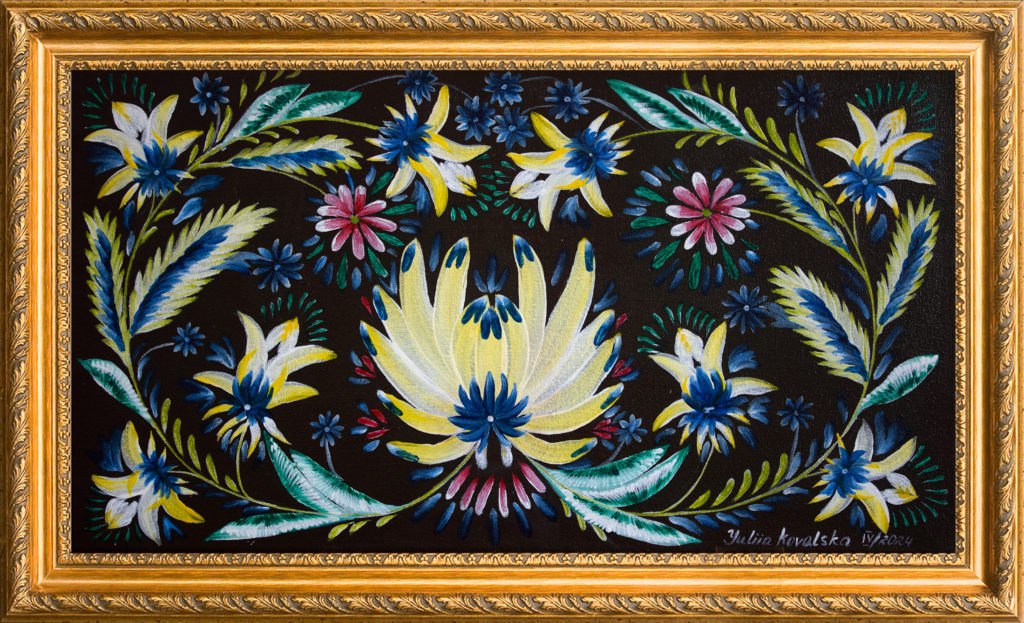
When winter arrives with its bitter frosts, the windows of our homes are painted with magical patterns. The delicate, enchanting designs on the glass appear to be hand-drawn. Since childhood, we have believed that at night, when we are all asleep, Father Frost decorates our windows with his magic staff. And even if it is just a fairy tale, it always warms our hearts. The magical winter patterns on the windows are surprisingly similar to delicate weaving made of the finest threads. And as we gaze at the patterns, strange visions appear before us: bizarre branches and flowers, fairy-tale animals, the outlines and shapes of fairy-tale castles, the feathers of exotic birds, transparent snowflake stars, the finest geometric ornamentation — frost patterns are diverse and unique. The drawings of these fairy-tale winter patterns are not only unique, but also one of a kind. And the magical artist creates more and more new pictures. The winter patterns on the windows are mesmerising and striking in their beauty, and looking at them makes you want to marvel and believe in miracles! It also makes you want to capture them on canvas…
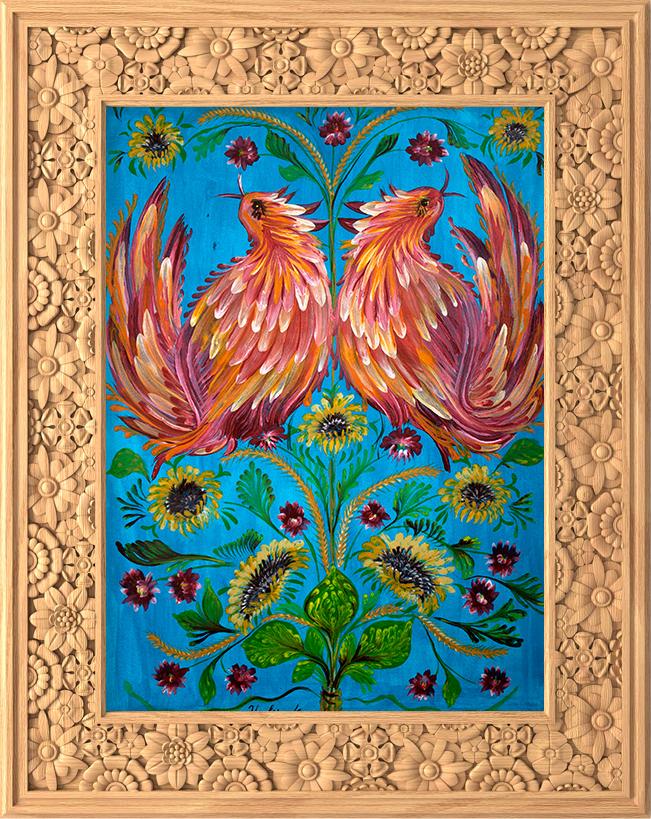
Winter ornament
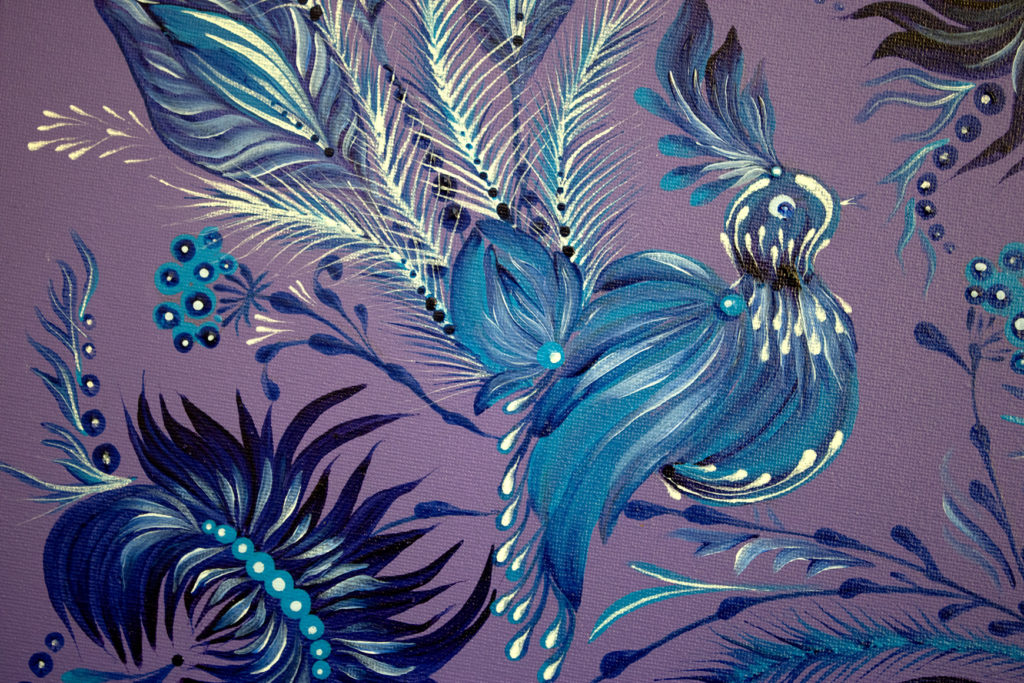
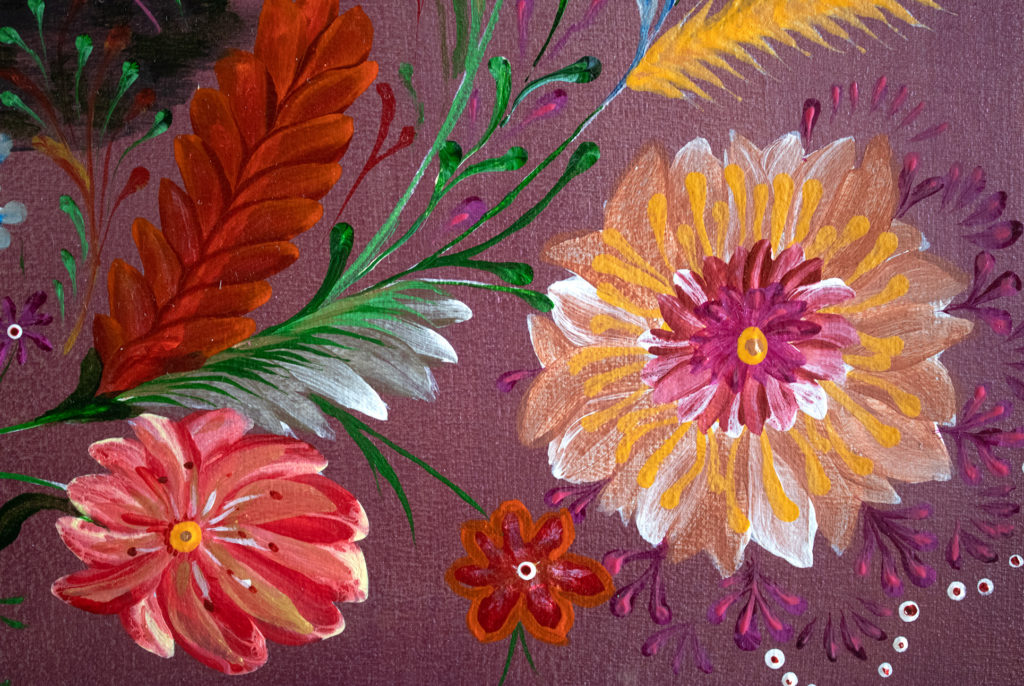
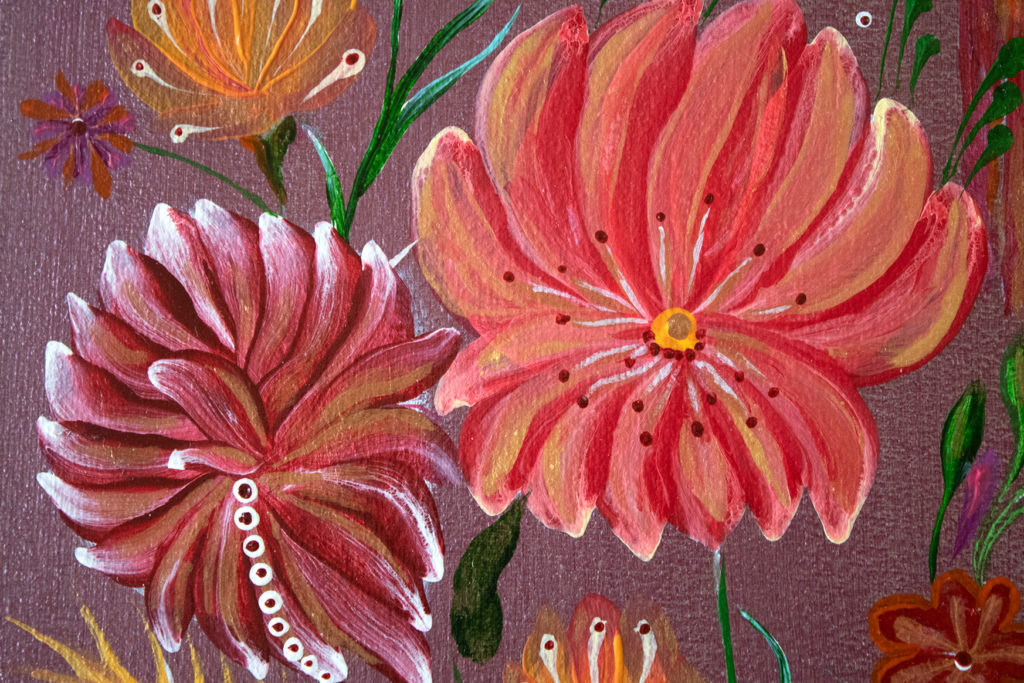
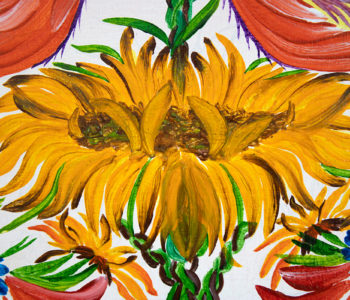
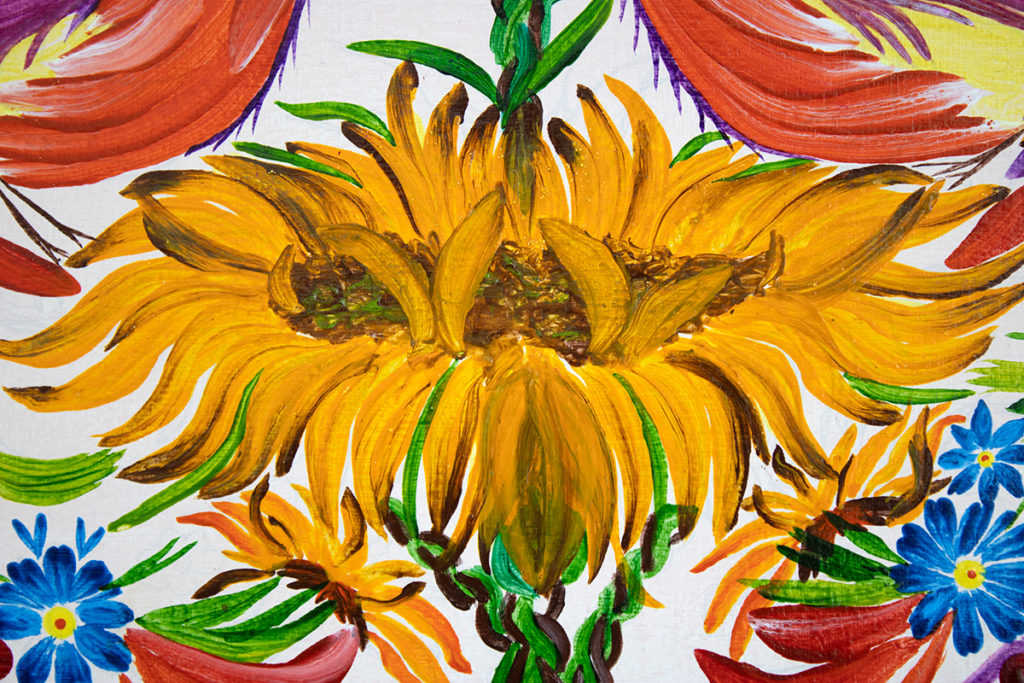
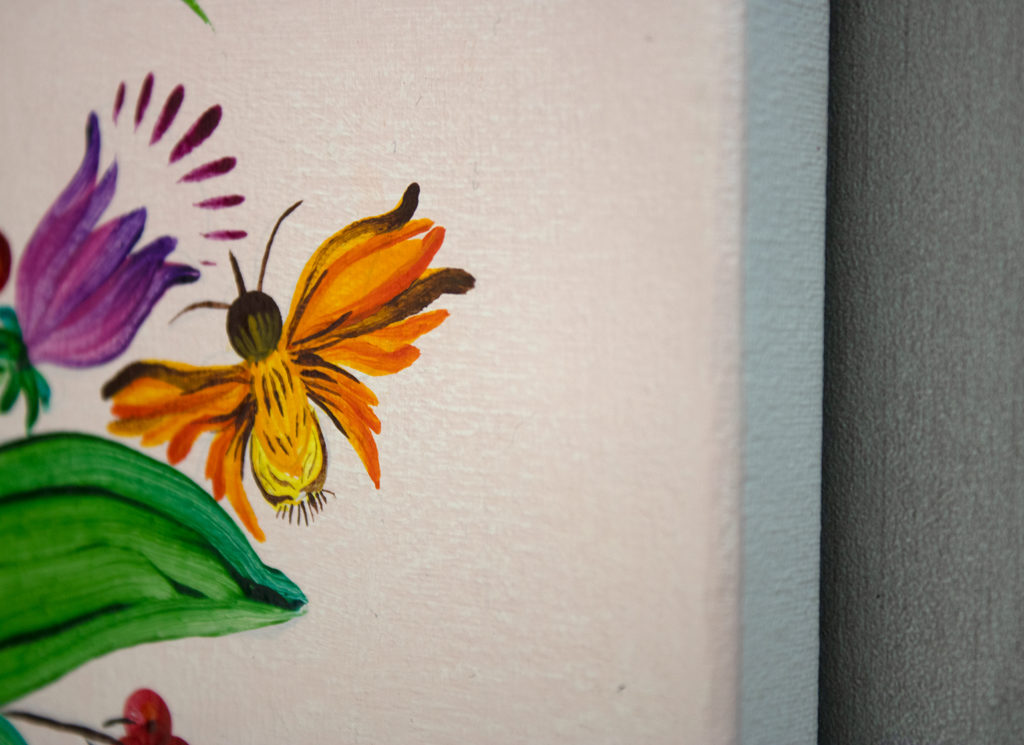
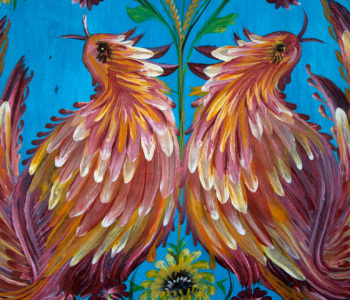
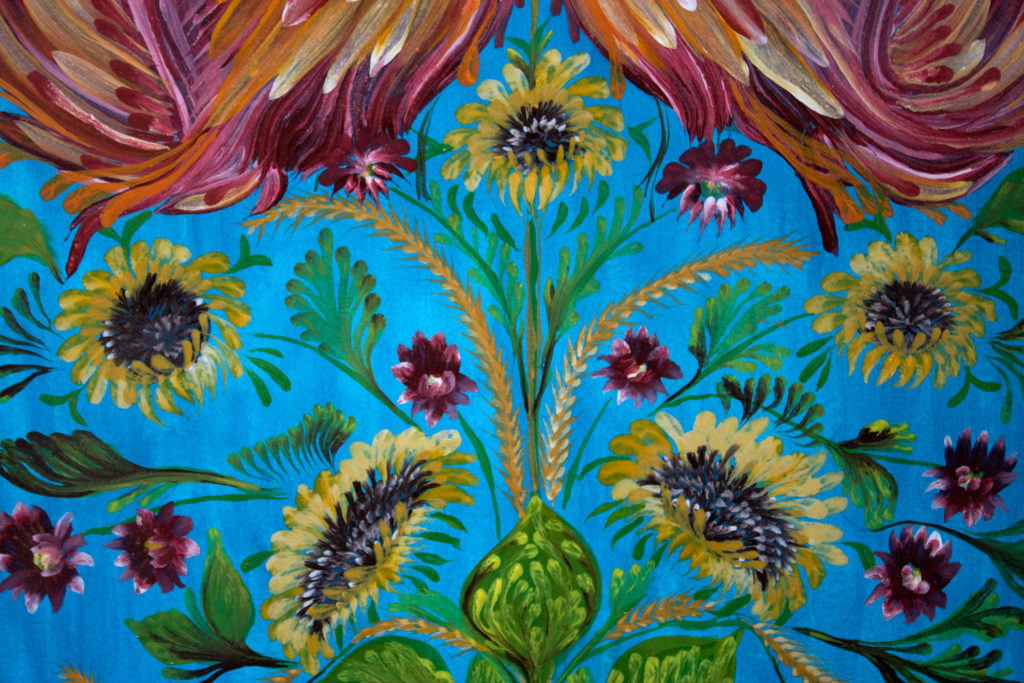
Winter ornament. Close-up
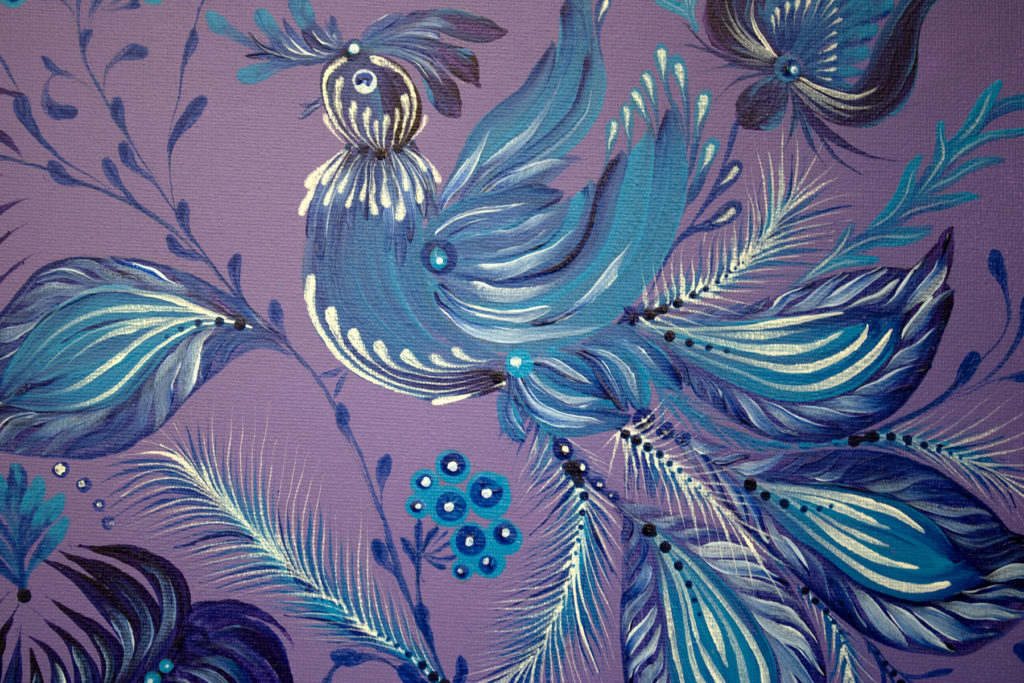
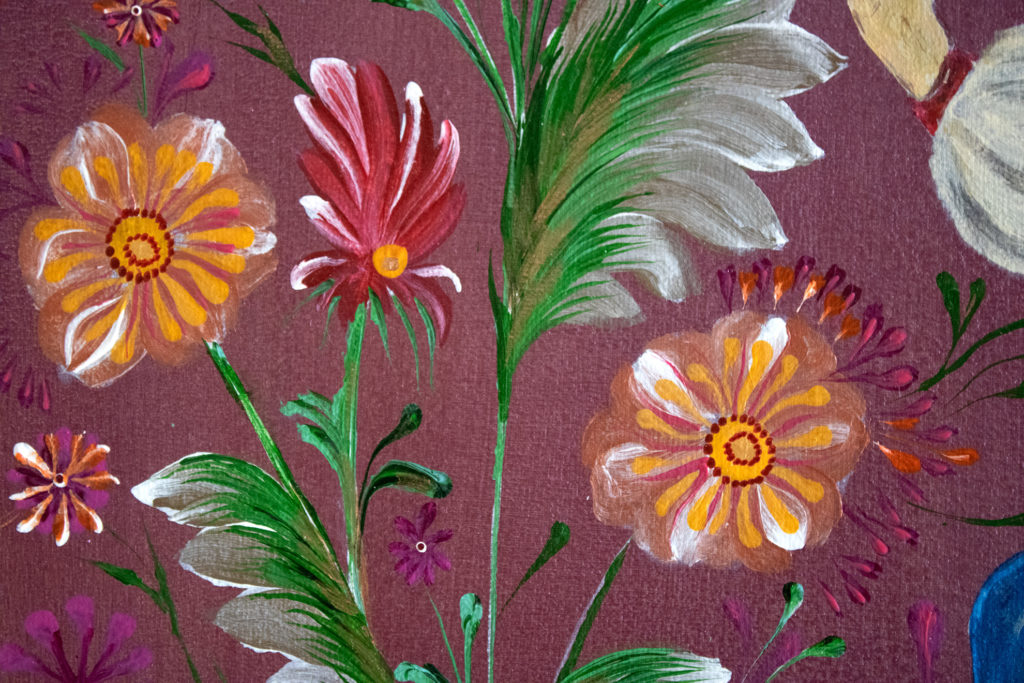
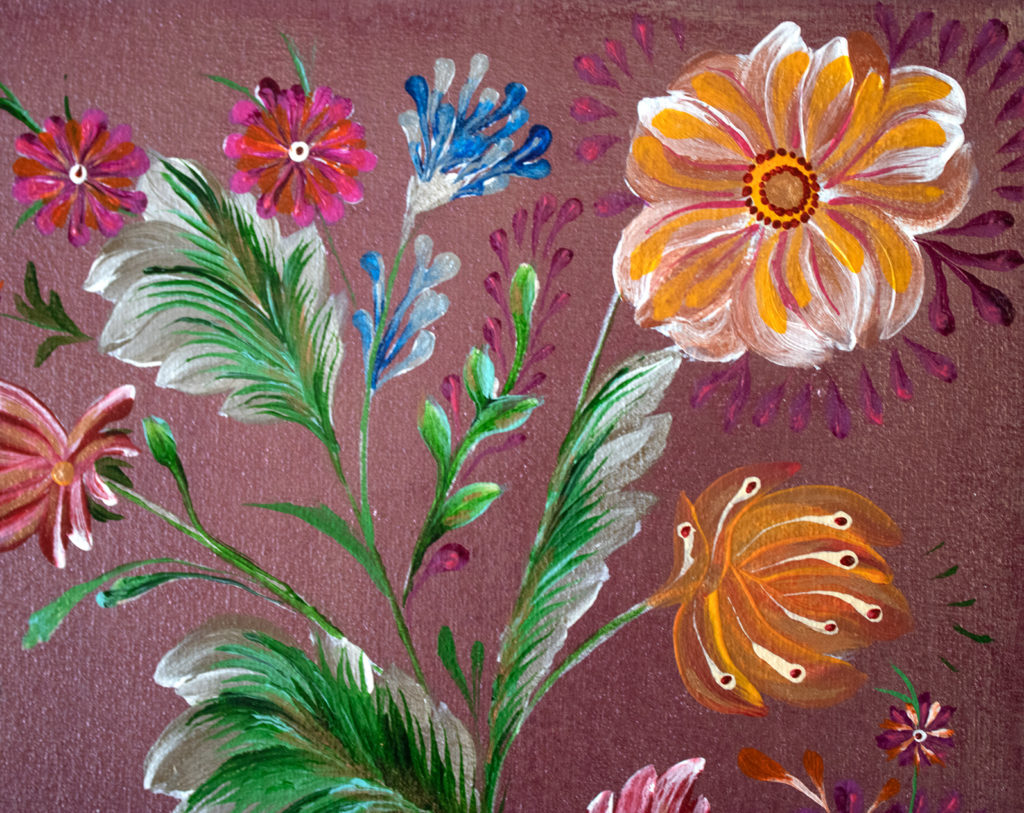
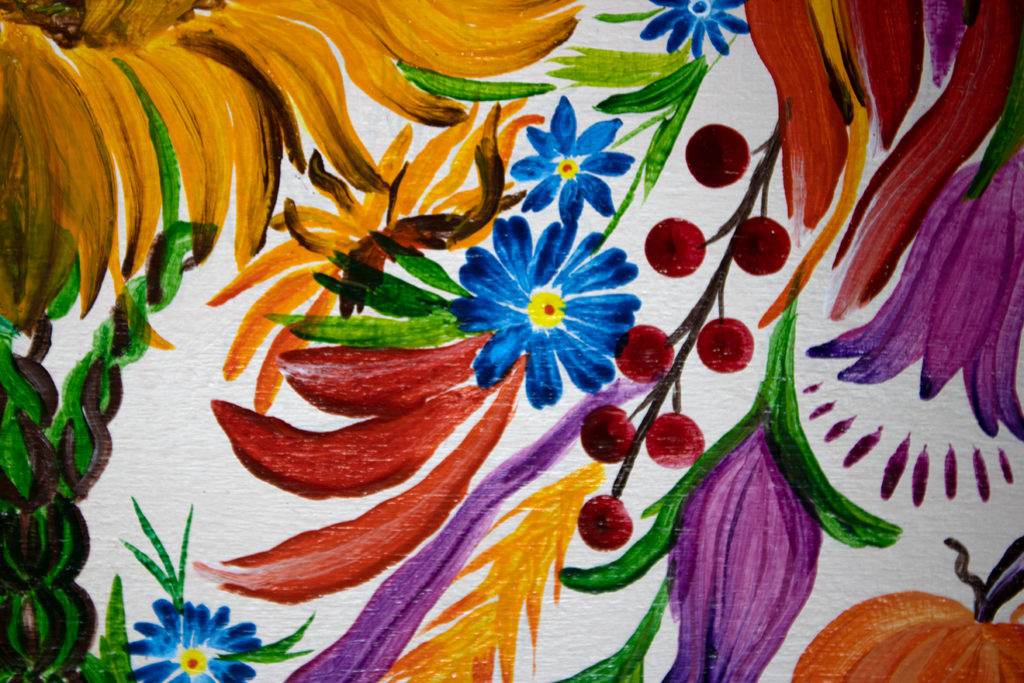
Winter ornament. Close-up
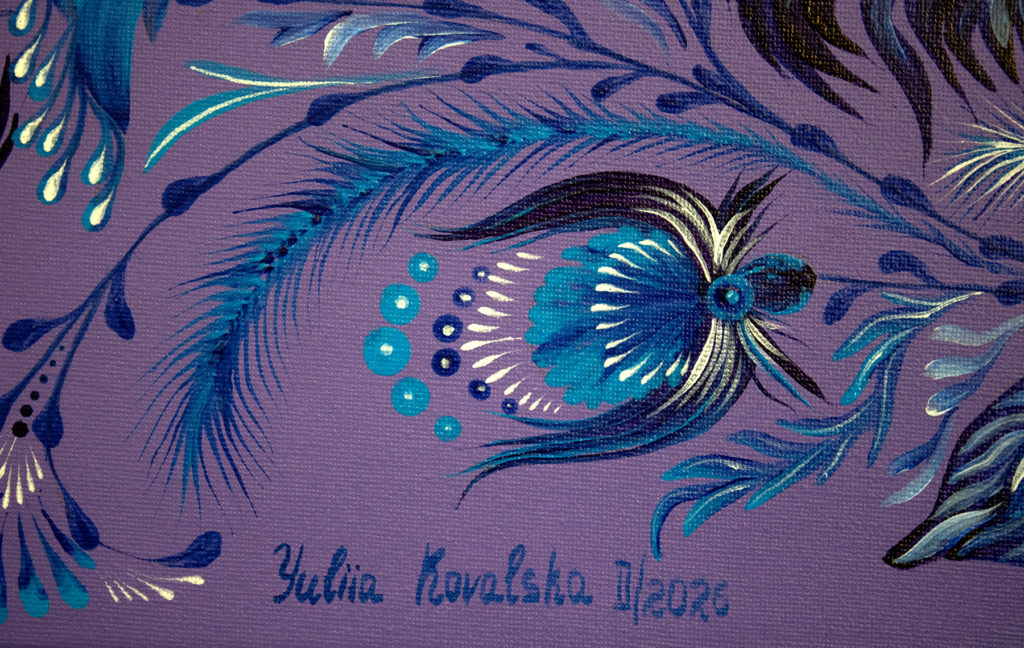
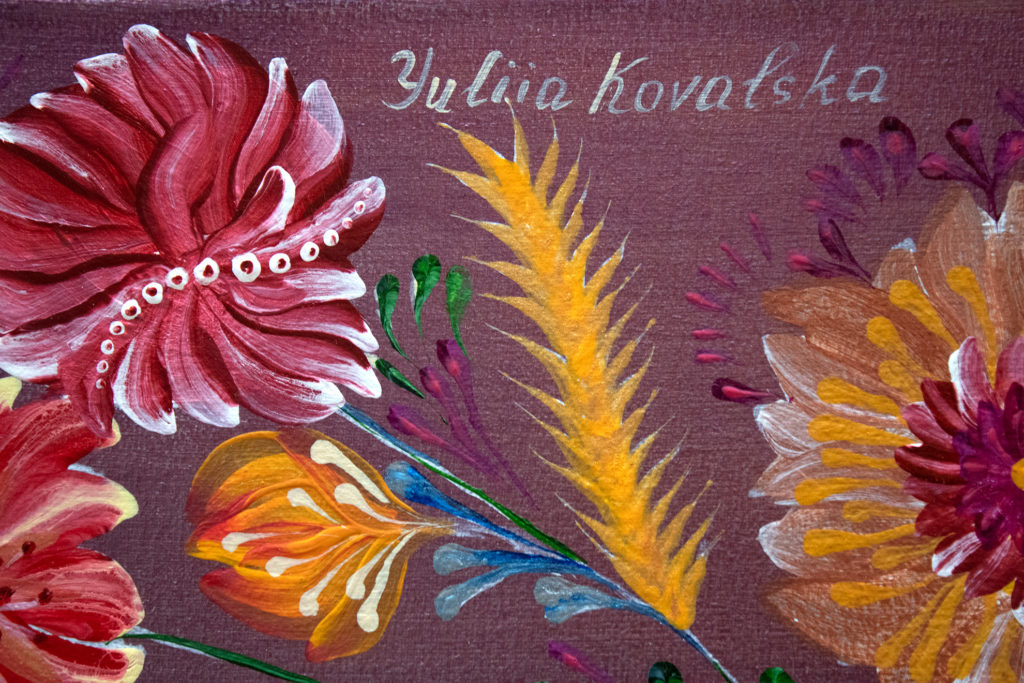
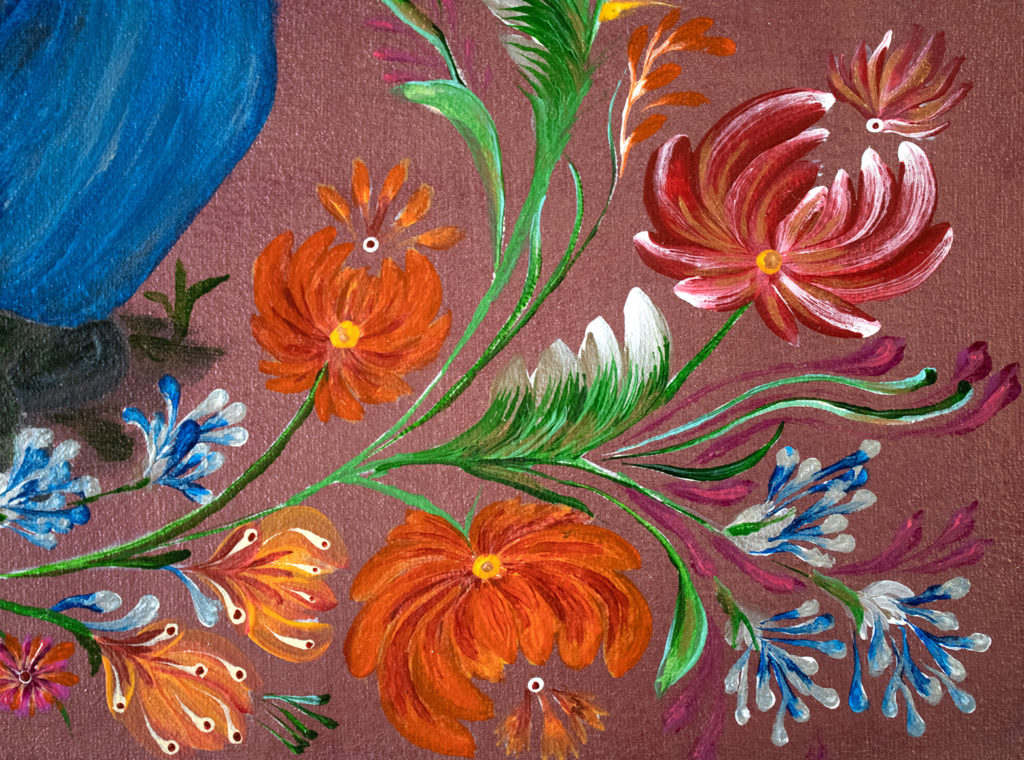
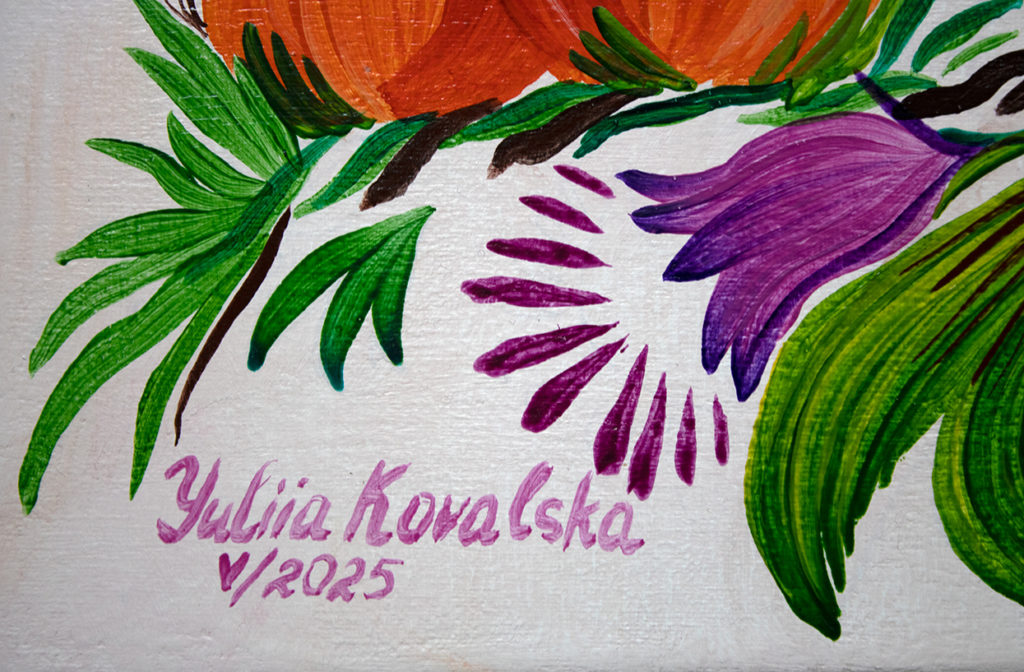
Winter ornament. Close-up. Signature of the artist
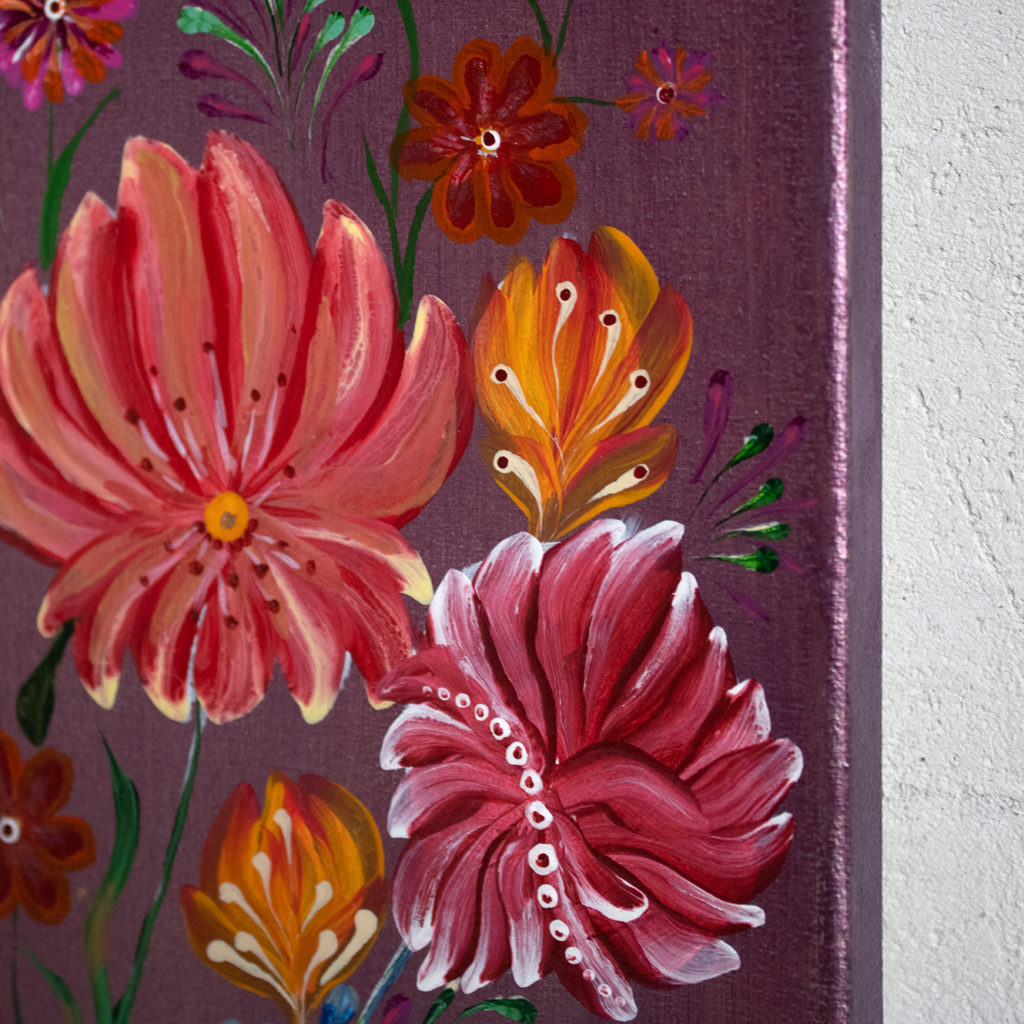
Winter ornament. Frame option
If you are interested in this painting and would like to purchase it, please fill out and send the feedback form on the home page. You can also purchase this painting at the online galleries linked on the home page. Dispatch from Kiev (Ukraine)
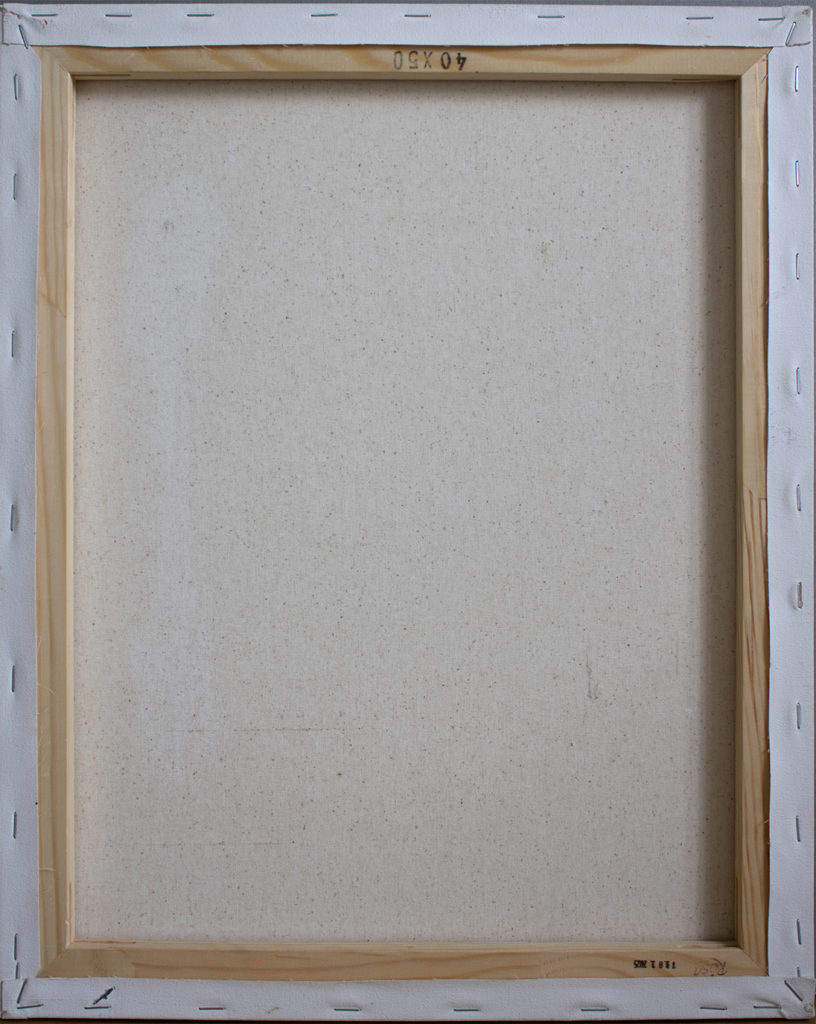
TITLE: Winter ornament YEAR: 2026 ARTWORK TYPE: Original Art/One of a kind DIMENSIONS: 60х40 cm TECHNIQUES: Acrylic RELATED THEMES: Ornament SUPPORT OR SURFACE: Canvas on the canvas-stretcher FRAMING: No CATALOGUE N: Kovalska149
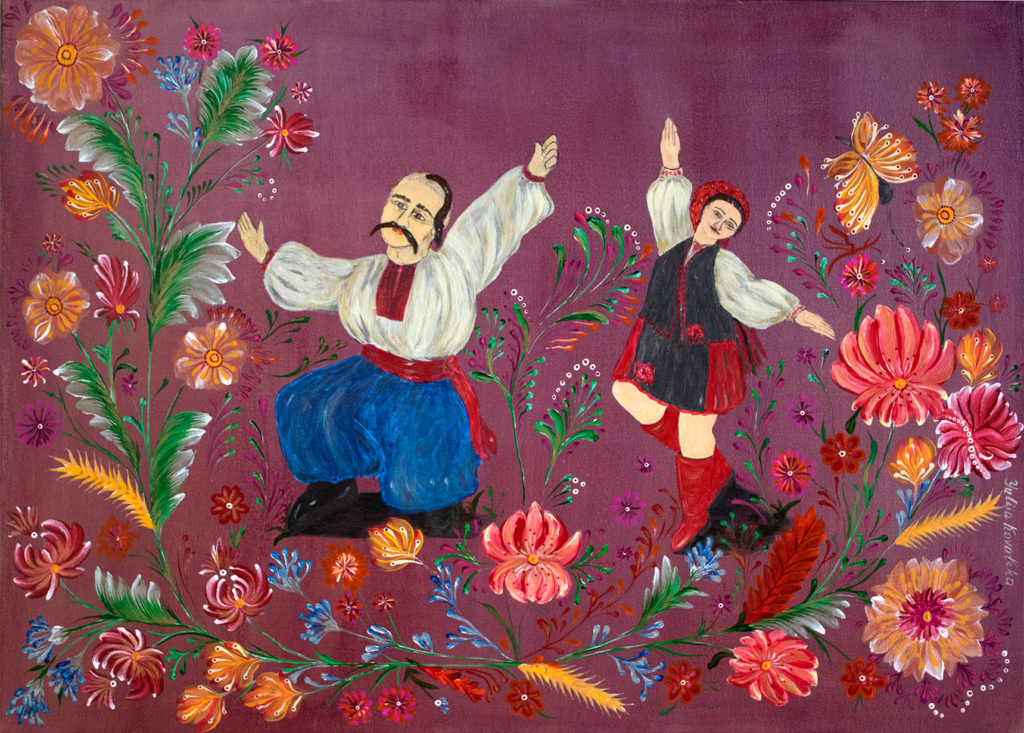
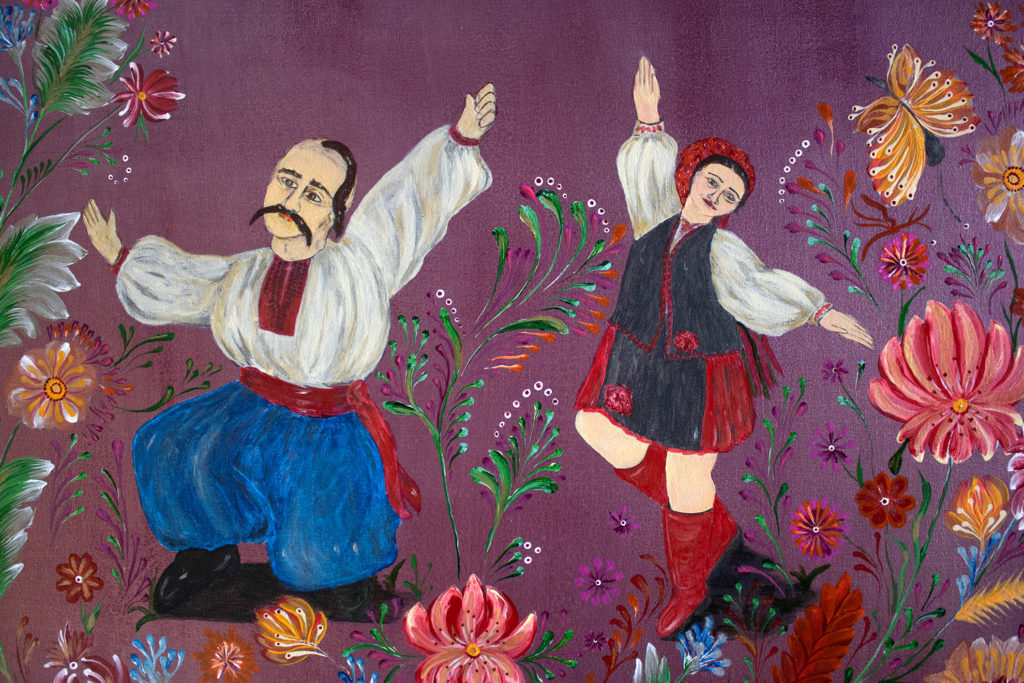
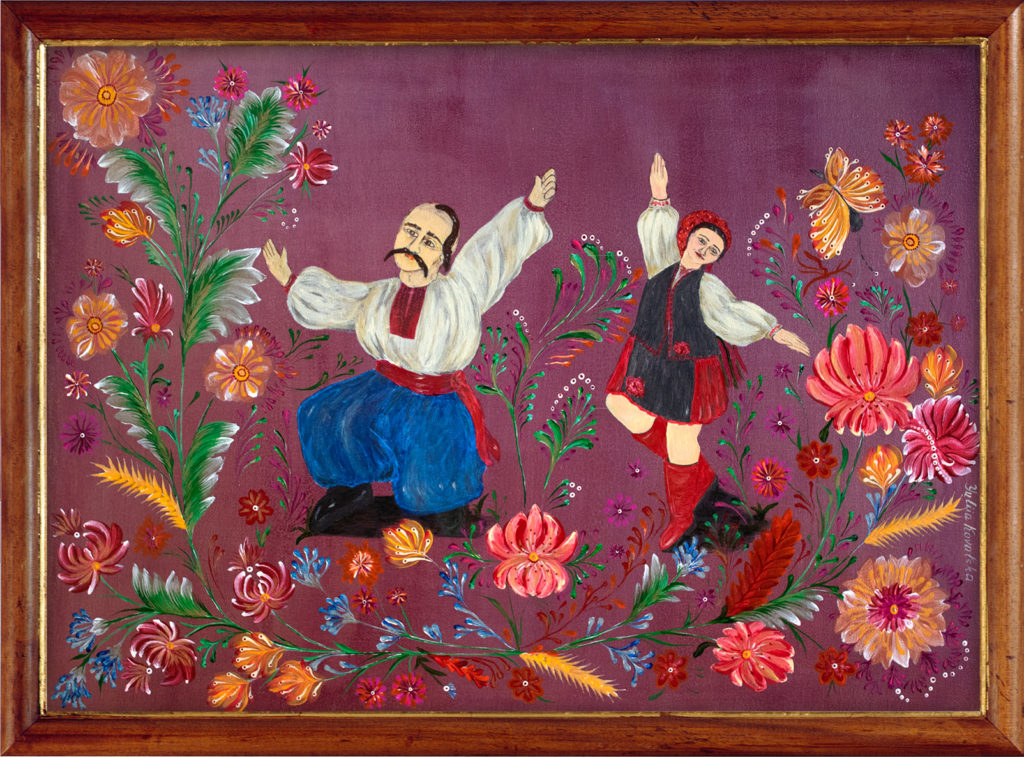
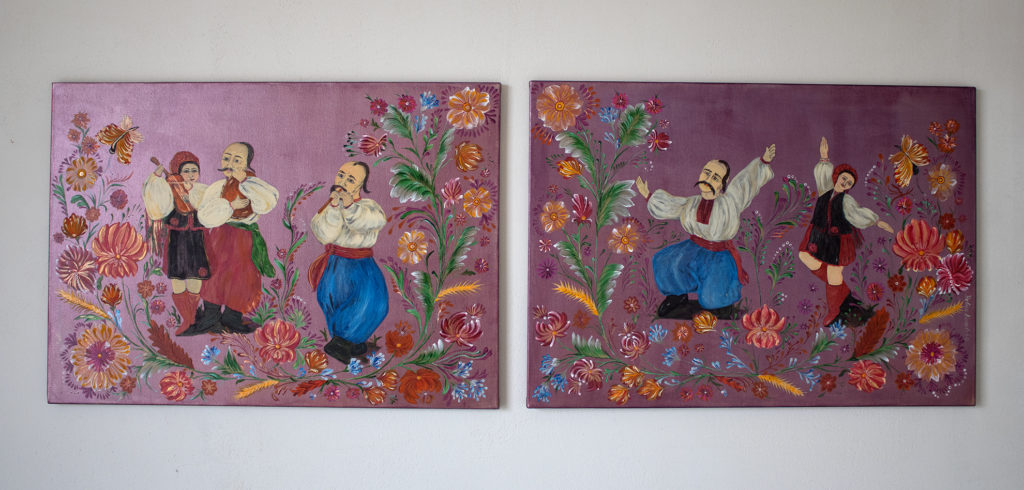
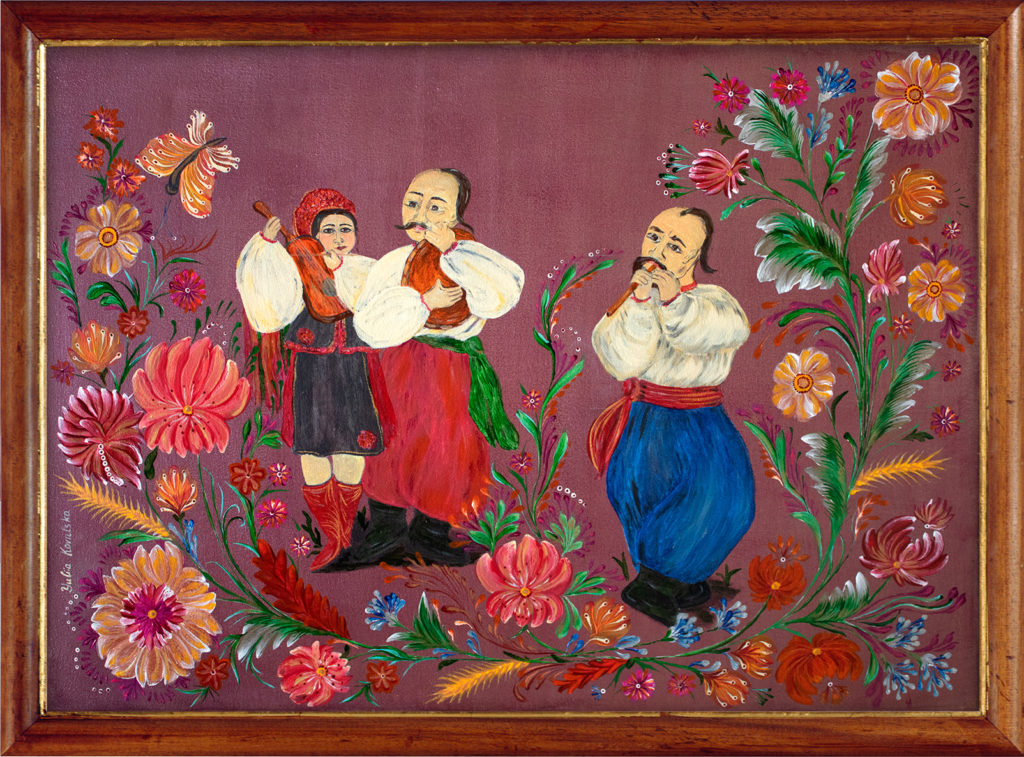
Gopak is the hallmark of traditional Ukrainian folk dance originating in Zaporizhia. It is a symbol of Ukrainian culture and choreography and is known throughout the world for its energy, dynamism and virtuoso jumps. The name of the dance comes from the exclamation ‘gop!’ during its performance. Its origins date back to the Cossack era, when it was performed as combat training, conveying a spirit of strength and courage. Traditional Ukrainian folk instruments are used to perform the gopak. These include the violin, pipe, and tambourine. These instruments create a fast, energetic accompaniment that matches the dynamic nature of the dance. The diptych ‘Gopak — Music and Dance’ is created in a modern interpretation and complemented by the femininity and lyricism of Ukrainian ornamentation, emphasising the importance of cultural heritage carried through the centuries.
Gopak — dance
Gopak — dance. Close-up
Gopak — dance. Close-up
Gopak — dance. Close-up
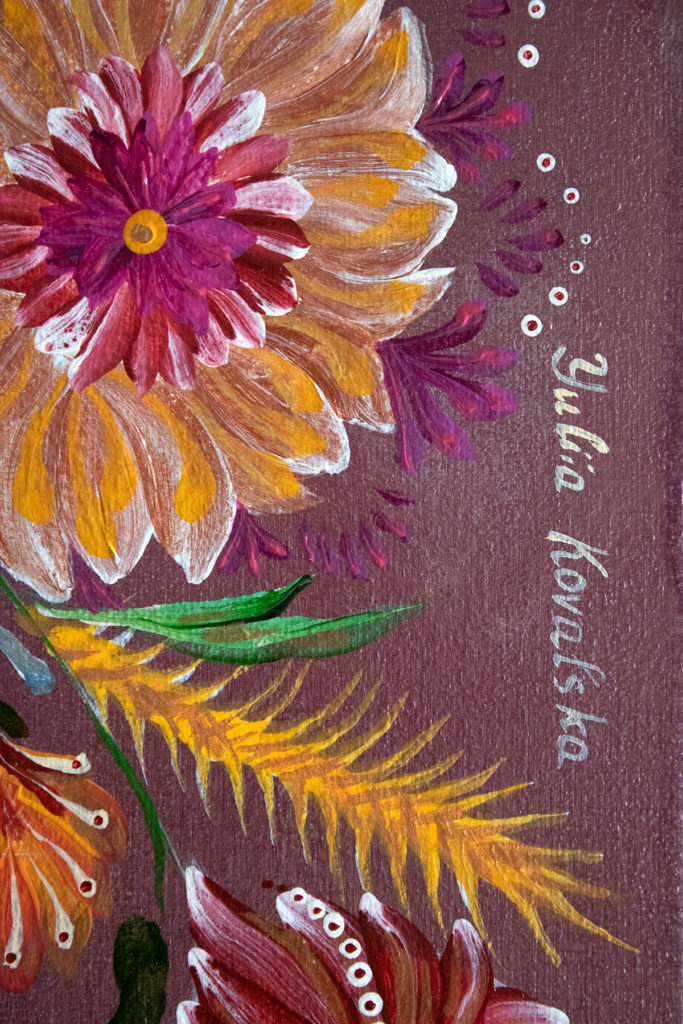
Gopak — dance. Close-up. Signature of the artist
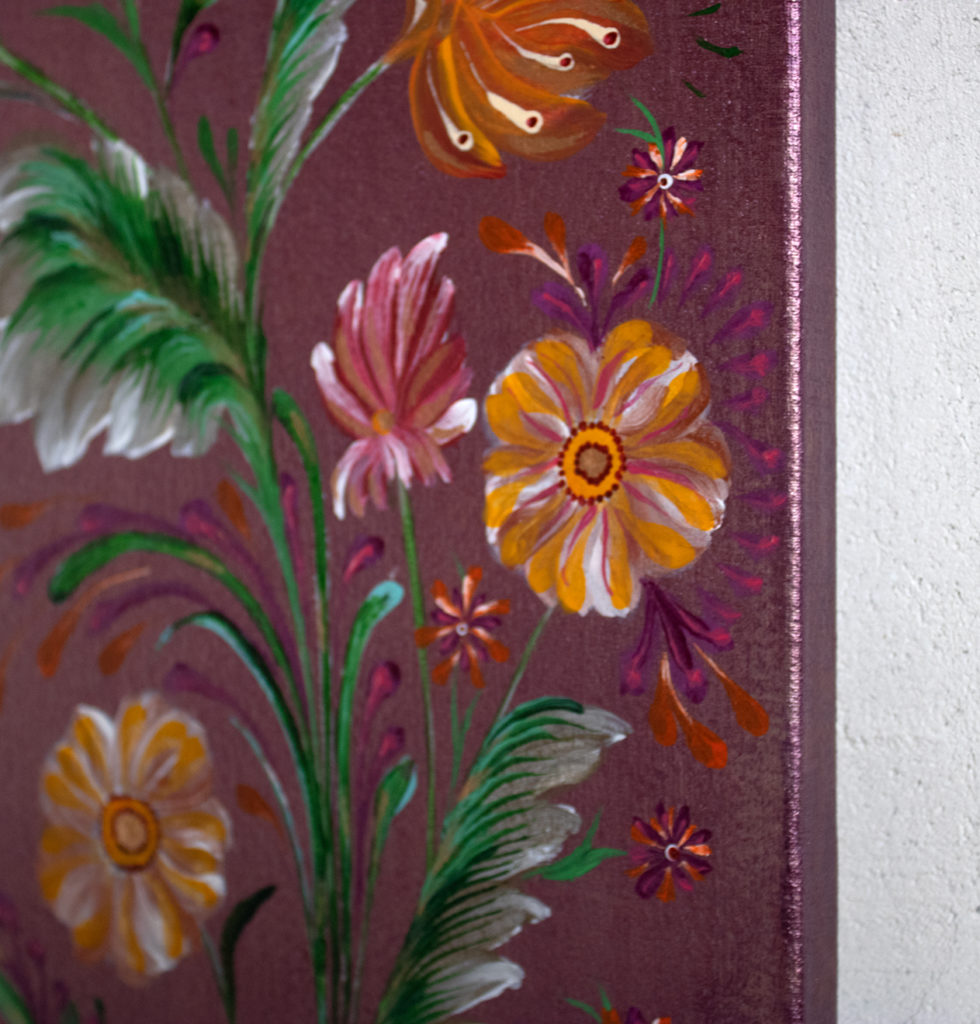
Gopak — dance. Sidepiece. Close-up
Gopak — dance. Frame option
Gopak — music and dance. Diptych
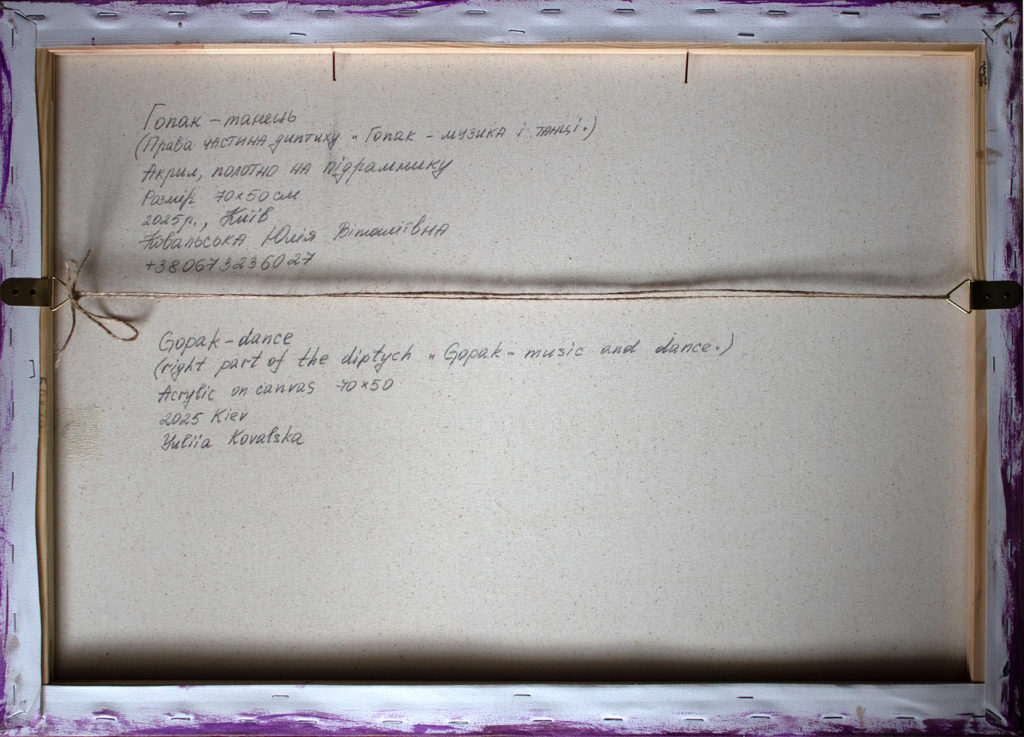
Gopak — dance. Backside signed by the artist
The painting is a participant in the international art exhibition ‘Transformation of Feelings’ within the framework of the ‘Dialogue of Cultures’ project for Valentine’s Day. The exhibition was held from 13 February in Krakow (Poland)
If you are interested in this painting and would like to purchase it, please fill out and send the feedback form on the home page. You can also purchase this painting at the online galleries linked on the home page. Dispatch from Kiev (Ukraine)
TITLE: Gopak — dance Right part of the diptych «Gopak — music and dance» YEAR: 2025 ARTWORK TYPE: Original Art/One of a kind DIMENSIONS: 50х70 cm TECHNIQUES: Acrylic RELATED THEMES: Ornament SUPPORT OR SURFACE: Canvas on the canvas-stretcher FRAMING: No CATALOGUE N: Kovalska141
Gopak is the hallmark of traditional Ukrainian folk dance originating in Zaporizhia. It is a symbol of Ukrainian culture and choreography and is known throughout the world for its energy, dynamism and virtuoso jumps. The name of the dance comes from the exclamation ‘gop!’ during its performance. Its origins date back to the Cossack era, when it was performed as combat training, conveying a spirit of strength and courage. Traditional Ukrainian folk instruments are used to perform the gopak. These include the violin, pipe, and tambourine. These instruments create a fast, energetic accompaniment that matches the dynamic nature of the dance. The diptych ‘Gopak — Music and Dance’ is created in a modern interpretation and complemented by the femininity and lyricism of Ukrainian ornamentation, emphasising the importance of cultural heritage carried through the centuries.
Gopak — music
Gopak — music. Close-up
Gopak — music. Close-up
Gopak — music. Close-up
Gopak — music. Close-up
Gopak — music. Close-up. Signature of the artist
Gopak — music. Sidepiece. Close-up
Gopak — music. Frame option
Gopak — music and dance. Diptych
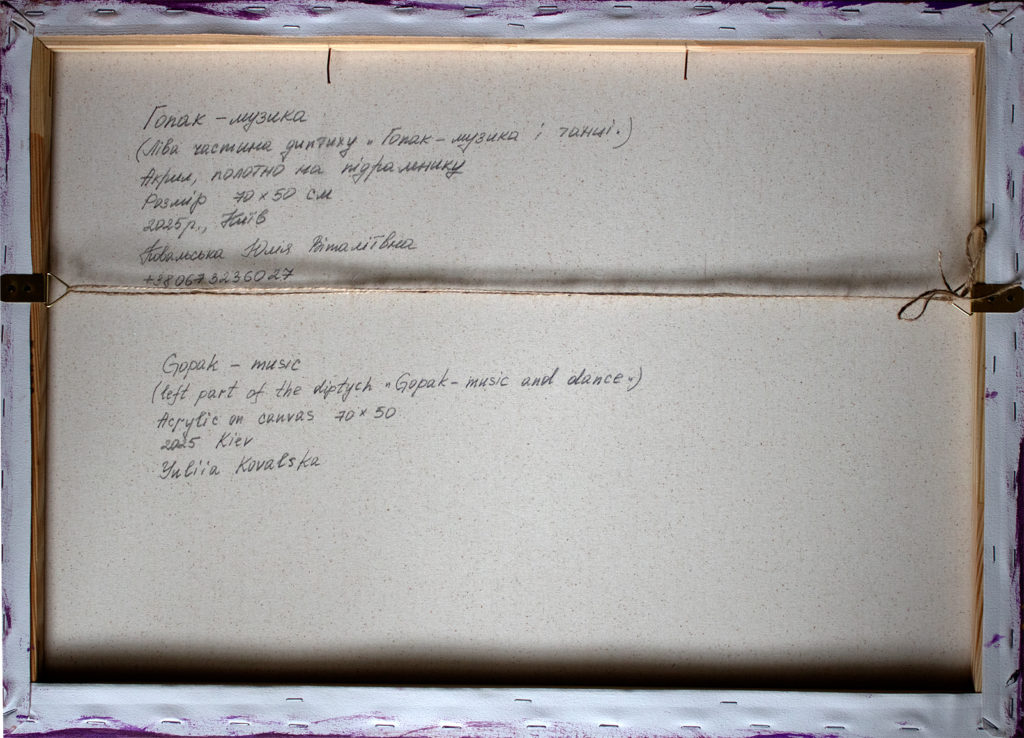
Gopak — music. Backside signed by the artist
If you are interested in this painting and would like to purchase it, please fill out and send the feedback form on the home page. You can also purchase this painting at the online galleries linked on the home page. Dispatch from Kiev (Ukraine)
TITLE: Gopak — music Left part of the diptych «Gopak — music and dance» YEAR: 2025 ARTWORK TYPE: Original Art/One of a kind DIMENSIONS: 50х70 cm TECHNIQUES: Acrylic RELATED THEMES: Ornament SUPPORT OR SURFACE: Canvas on the canvas-stretcher FRAMING: No CATALOGUE N: Kovalska140
Radiant palette, vegetal ornaments, hidden magic of sunlight — the eternal image of the blossoming tree of life of Petrikovsky painting. Tree of Life — as a symbol of transformation of chaos into space, embodies the traditions of cultural heritage of our ancestors. Seven generations — symbolises the combination of energy centres and is depicted by the motifs of the Petrikovsky painting plant ornament. Petrikovsky painting reflects the spiritual unity of man with nature and proclaims the idea of cyclical life. Petrikovka painting, or as they say ‘petrikovka’, is a folk decorative and ornamental painting that originated in the Dnieper region in the village of Petrikovka, which gave its name and was the origin of the art itself. Historically, Petrikovka painting comes from mural painting, which was most widespread among rural houses. Since antiquity, in addition to decoration of dwellings, the painting of chests and a wide range of consumer items made of wood and other materials became widespread, which began to develop, spread, acquire new features and turn into modern painting. The phenomenon of Petrikovsky painting is a combination of bright colours, magical shapes and sunlight, and their transformation into a deep symbolism of folk art. The main element of Petrikovsky painting is a flower — a symbol of beauty, richness and lushness of nature and blossoming life; the bale — as a symbol of Ukraine — in the painting acts as a symbol of female beauty. The tree of life in Petrikov painting is a simultaneous combination of the symbol of creation, immortality, wisdom and protection with the image of the paradise blossoming tree of life, which blossoms together with folk art and continues to please the eye for centuries, glorifying Ukraine and its masters.
The Tree of Life. Seven generations
The Tree of Life. Seven generations. Close-up
The Tree of Life. Seven generations. Close-up
The Tree of Life. Seven generations. Close-up
The Tree of Life. Seven generations. Close-up. Signature of the artist
The Tree of Life. Seven generations. Close-up
The Tree of Life. Seven generations. Close-up
The Tree of Life. Seven generations. Close-up
The Tree of Life. Seven generations. Sidepiece. Close-up
The Tree of Life. Seven generations. Backside
The Second Final Exhibition ”Creativity and Taste of Generations“
The Second Final Exhibition ”Creativity and Taste of Generations“
The Second Final Exhibition ”Creativity and Taste of Generations“
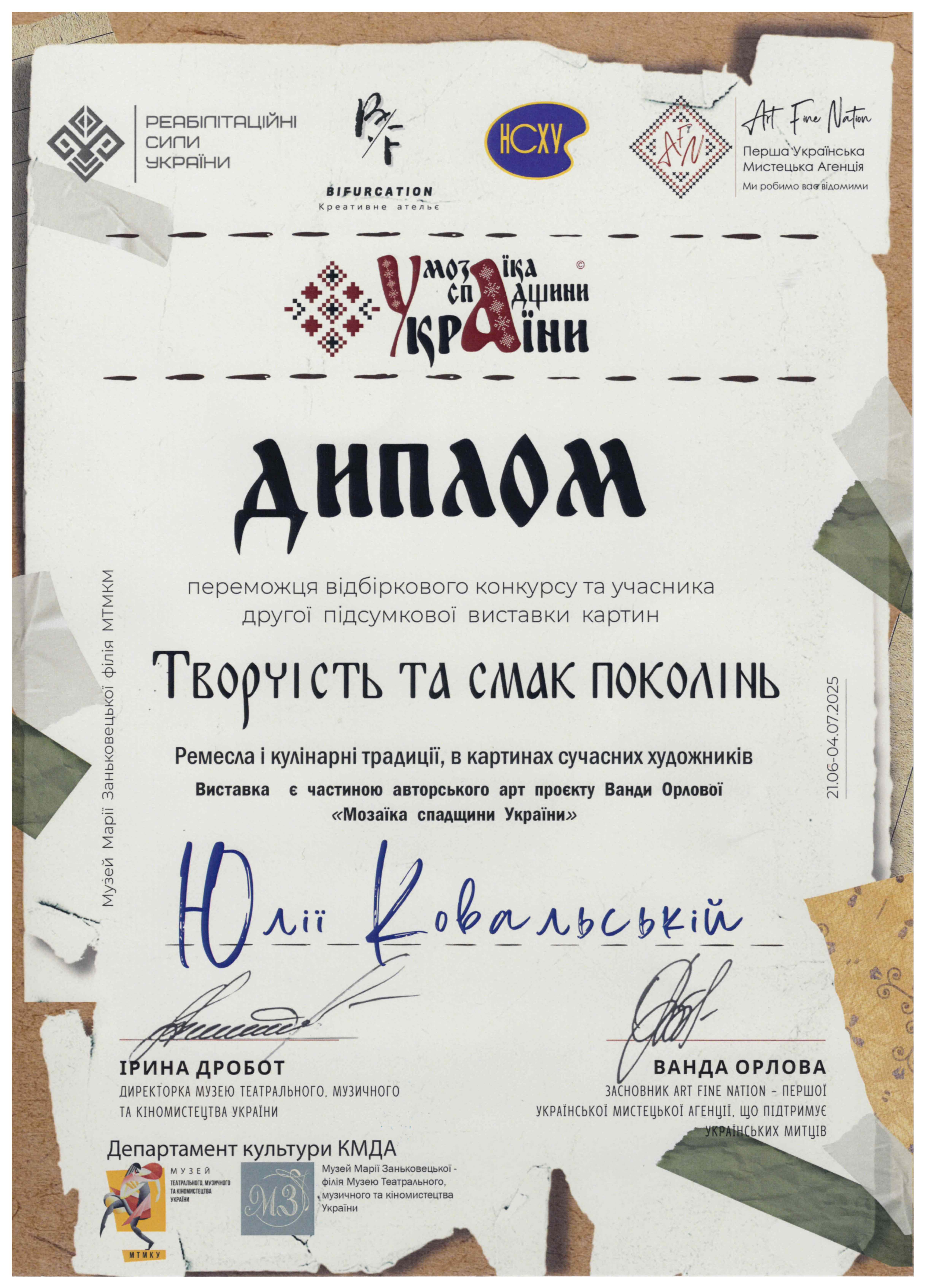
The painting is a participant in the art exhibition ‘Creativity and Taste of Generations,’ which took place at the Maria Zankovetska Museum in Kyiv from 21 June to 4 July 2025. The exhibition was the result of the second selection competition within the framework of the art project ‘Mosaic of Ukrainian Heritage,’ created with the aim of reviving, preserving, and popularising the multifaceted cultural heritage of Ukraine. The project was organised by the Art Fine Nation art agency.
The painting is a participant in the final exhibition of paintings from Wanda Orlova’s authorial art project ‘Mosaic of Ukraine’s Heritage,’ which tells about Ukrainian culture, traditions, and values. The best paintings by contemporary Ukrainian artists who participated in the exhibitions of this project during 2025 were selected for the exhibition on a competitive basis.
If you are interested in this painting and would like to purchase it, please fill out and send the feedback form on the home page. You can also purchase this painting at the online galleries linked on the home page. Dispatch from Kiev (Ukraine)
TITLE: The Tree of Life. Seven generations YEAR: 2025 ARTWORK TYPE: Original Art/One of a kind DIMENSIONS: 40х50 cm TECHNIQUES: Acrylic RELATED THEMES: Ornament SUPPORT OR SURFACE: Canvas on the canvas-stretcher FRAMING: No CATALOGUE N: Kovalska126
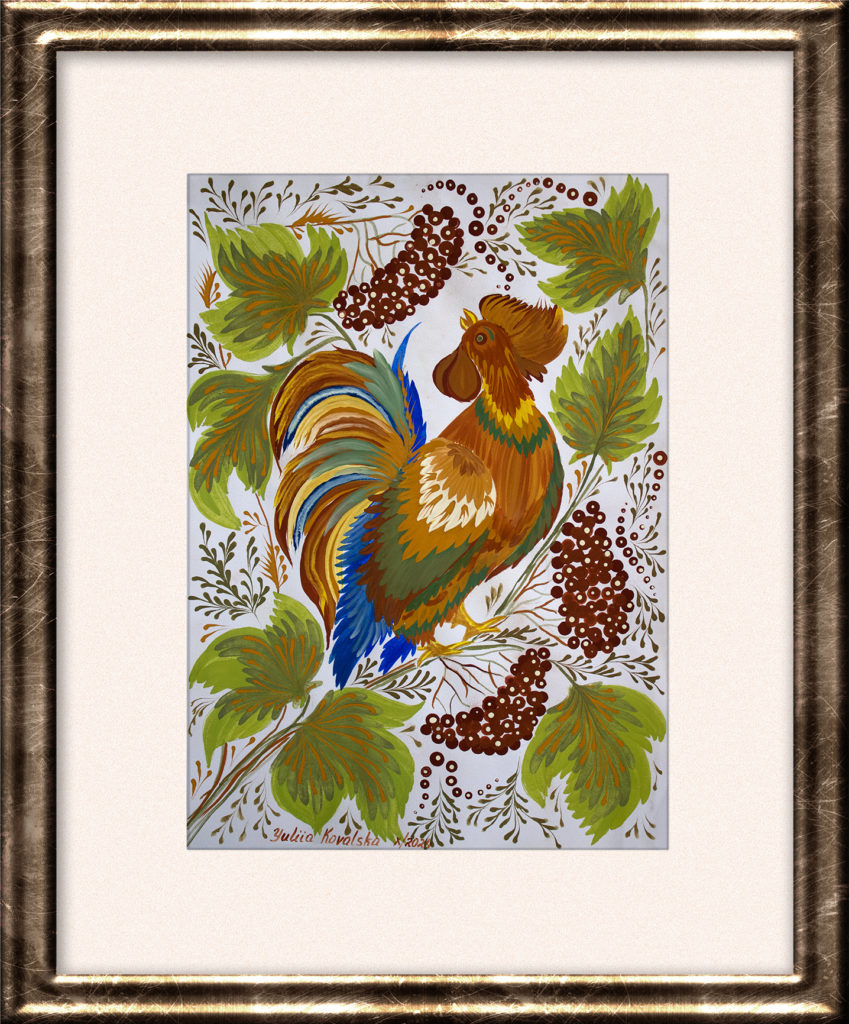
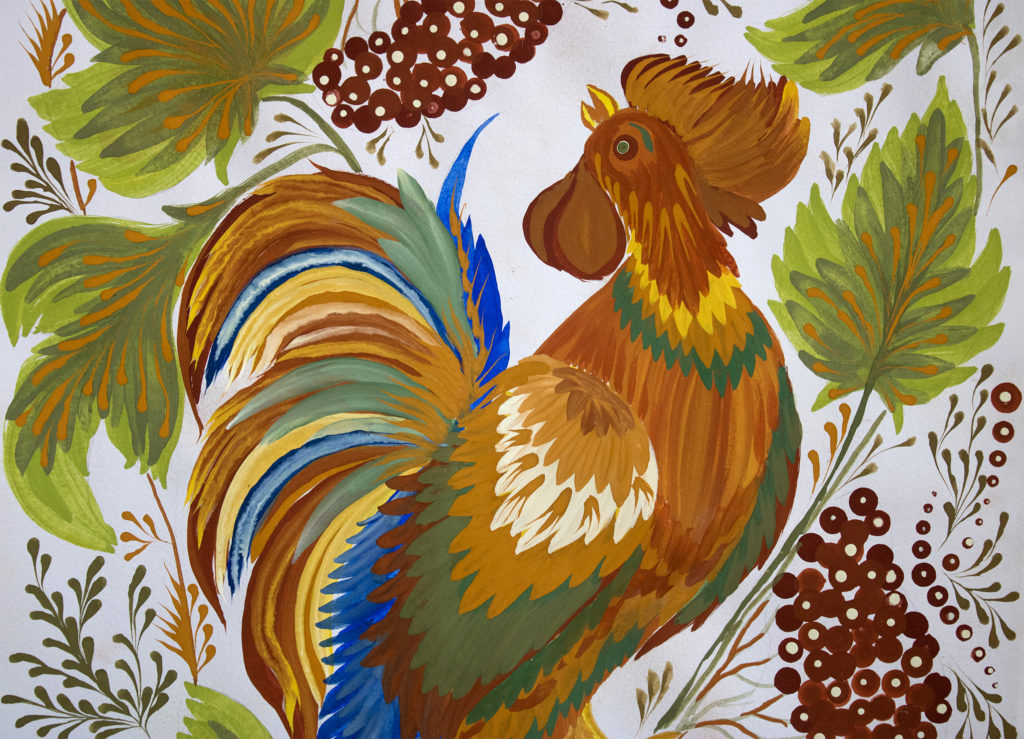
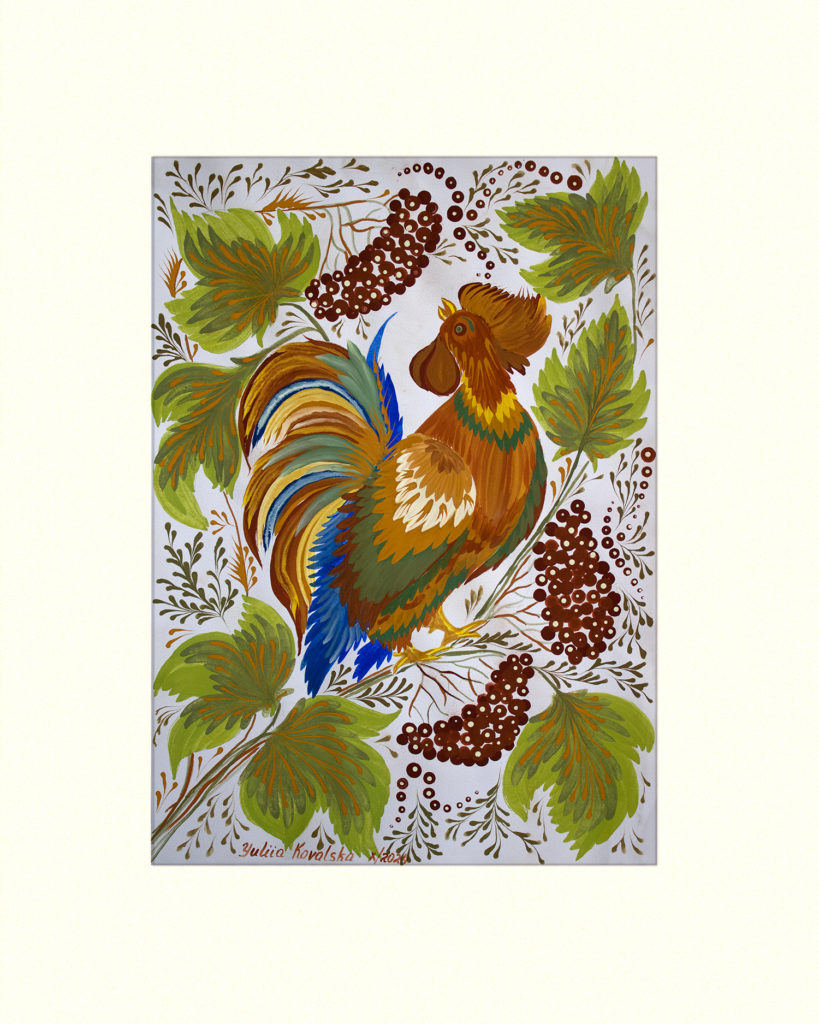
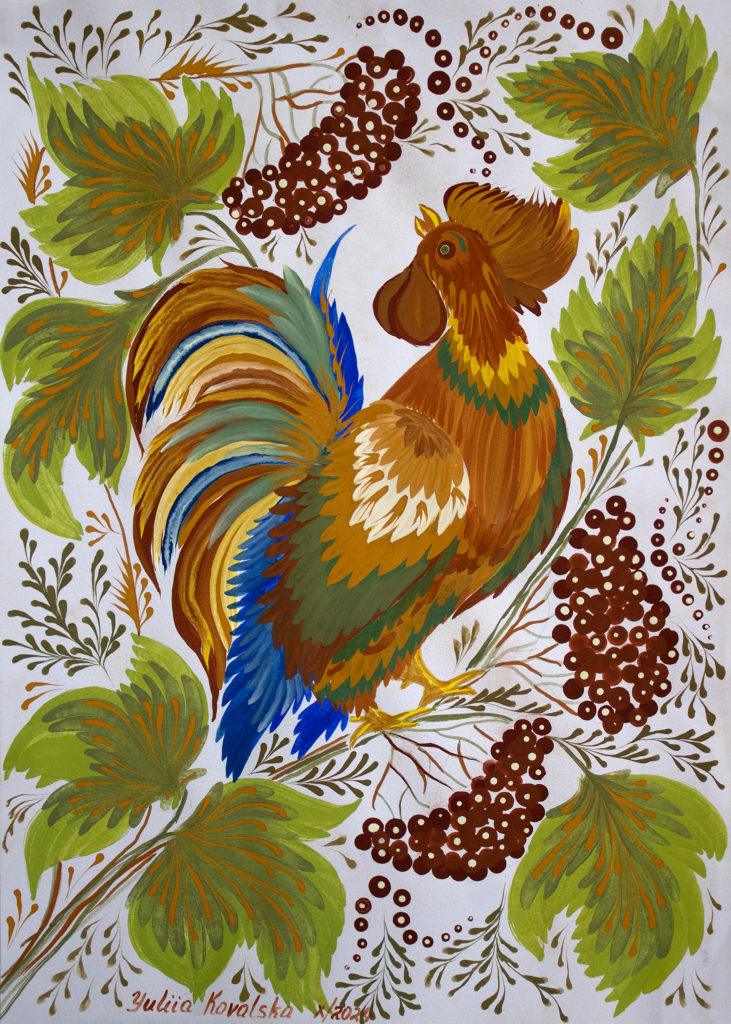
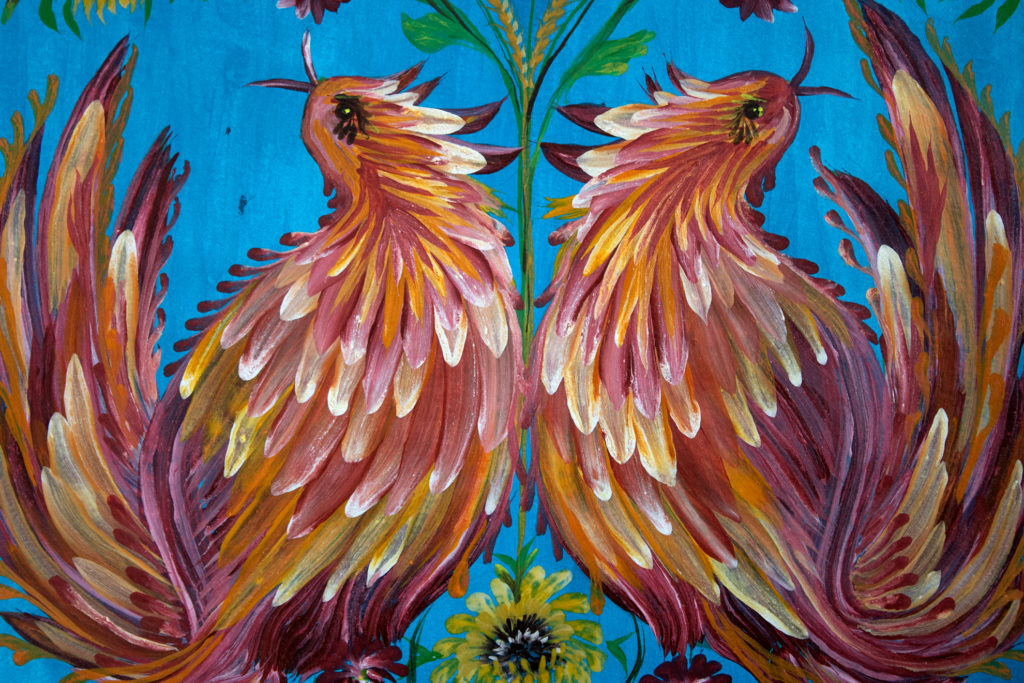
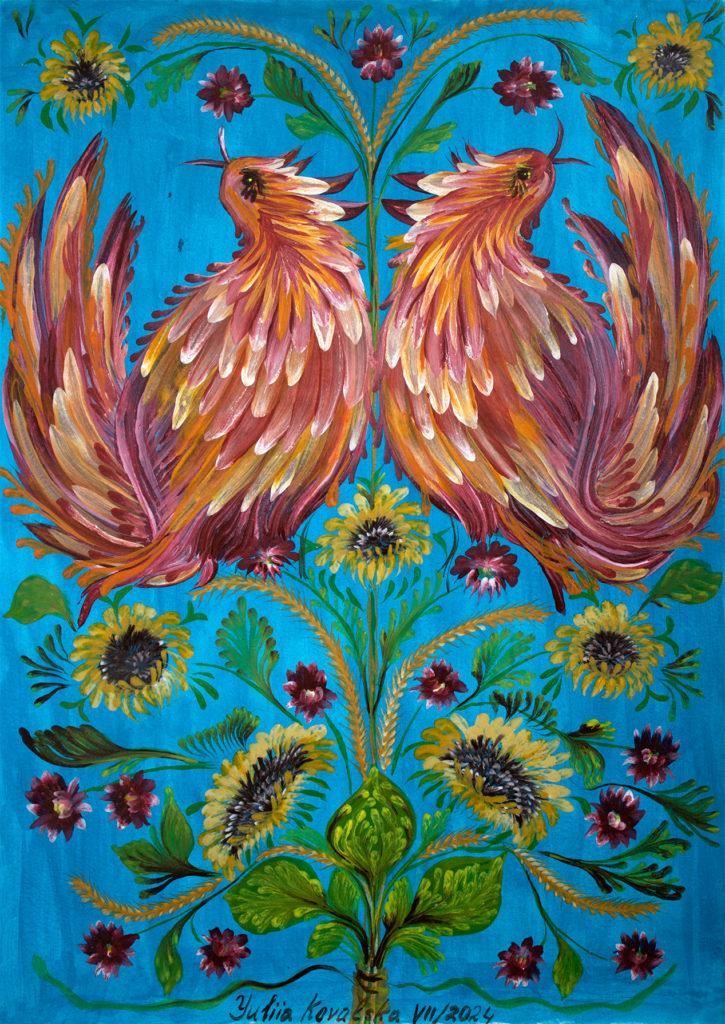
This is my first attempt at a tempera painting. To plunge into the depths of origins and antiquity. There’s still work to be done. The colours are made by myself from natural pigments on egg emulsion.
Ornament with a rooster. Frame option
Ornament with a rooster. Close-up
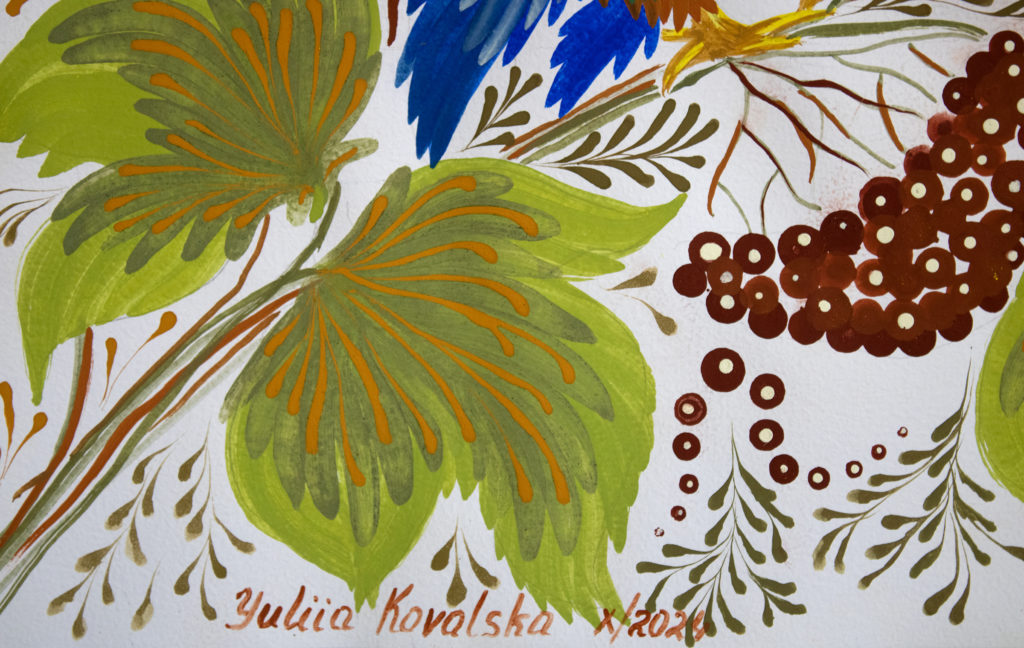
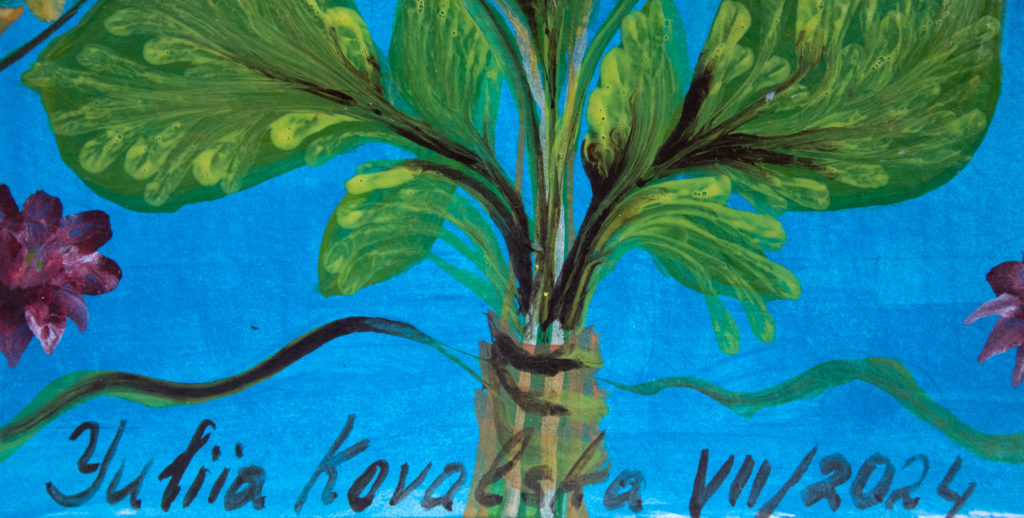
Ornament with a rooster. Close-up. Signature of the artist
Ornament with a rooster. Mat
Ornament with a rooster
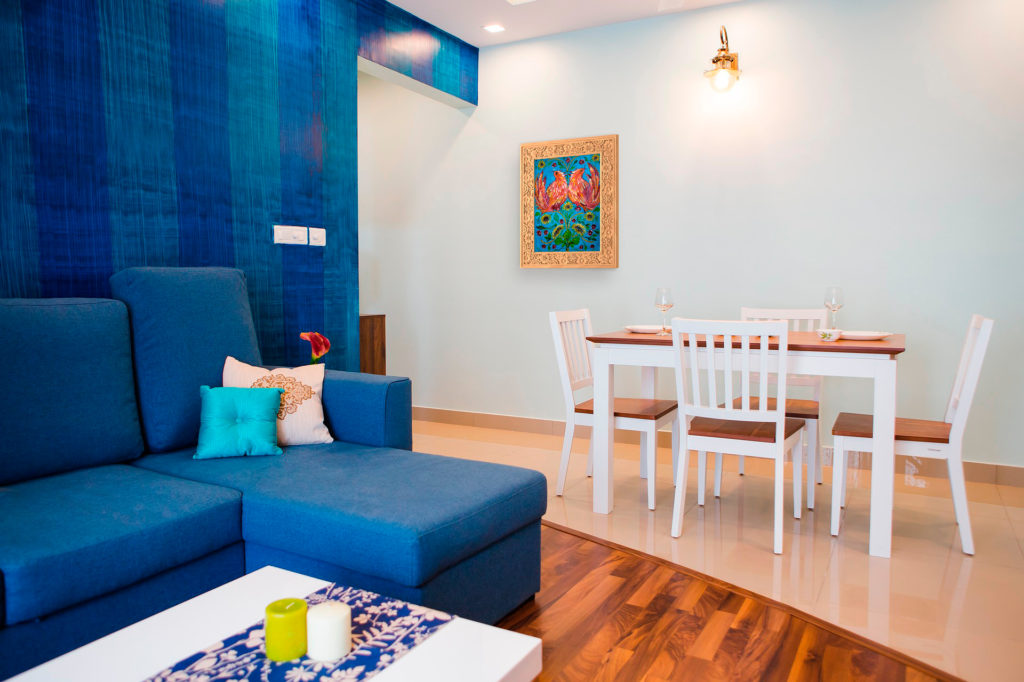
Ornament with a rooster. Interior: Dining-room with a picture on the wall
If you are interested in this painting and would like to purchase it, please fill out and send the feedback form on the home page. You can also purchase this painting at the online galleries linked on the home page. Dispatch from Kiev (Ukraine)
TITLE: Ornament with a rooster YEAR: 2024 ARTWORK TYPE: Original Art/One of a kind DIMENSIONS: A3 (29.7 cm x 42 cm) TECHNIQUES: Tempera RELATED THEMES: Ornament SUPPORT OR SURFACE: Paper FRAMING: No
The Firebird is a character from the Slavic epic, an incarnation of the god of the sun and thunderstorm. Its radiance blinds the eyes like the sun or lightning. The Firebird is followed by fairy-tale good men, and to the one who masters at least one of its feathers comes great happiness. The bird lives in another world — the Thirtieth Kingdom, in the paradise garden of Iria, and is connected with the netherworld. The Firebird shines brightly, emitting red, orange and yellow light like a bonfire. She eats golden apples, which give eternal youth, beauty and immortality, and drinks water from living springs. And when she sings, she cures diseases and heals the blind. From its open beak the sounds of thunder roll out and brilliant sparks of lightning scatter. Sometimes you can find a feather that has fallen out of the Firebird’s tail. Taken into a dark room, it will replace the strongest lighting. It is impossible to catch the bird with bare hands — you can get burned or burnt. In Slavic folklore, it is both a blessing and a messenger of doom for its captor. The feather that has fallen out can retain the properties of the feather plumage of the Firebird for a long time. It glows and gives warmth. And when the feather is extinguished, it turns into gold. At night, the Firebird flies around the garden, burning like a flame; if she flies somewhere, everything around her lights up at once. One feather of hers is worth more than the whole kingdom, and the Firebird herself has no price at all. The Firebird dies every autumn and is reborn in spring.
Ancient Slavic ornament. Frame option
Ancient Slavic ornament. Close-up
Ancient Slavic ornament. Close-up
Ancient Slavic ornament. Close-up. Signature of the artist
Ancient Slavic ornament
Ancient Slavic ornament. Liviing-room with a picture on the wall
NOT FOR SALE
TITLE: Ancient Slavic ornament YEAR: 2024 ARTWORK TYPE: Original Art/One of a kind DIMENSIONS A3 (29.7 cm x 42 cm) TECHNIQUES: Acrylic RELATED THEMES: Ornament SUPPORT OR SURFACE: Paper FRAMING: No
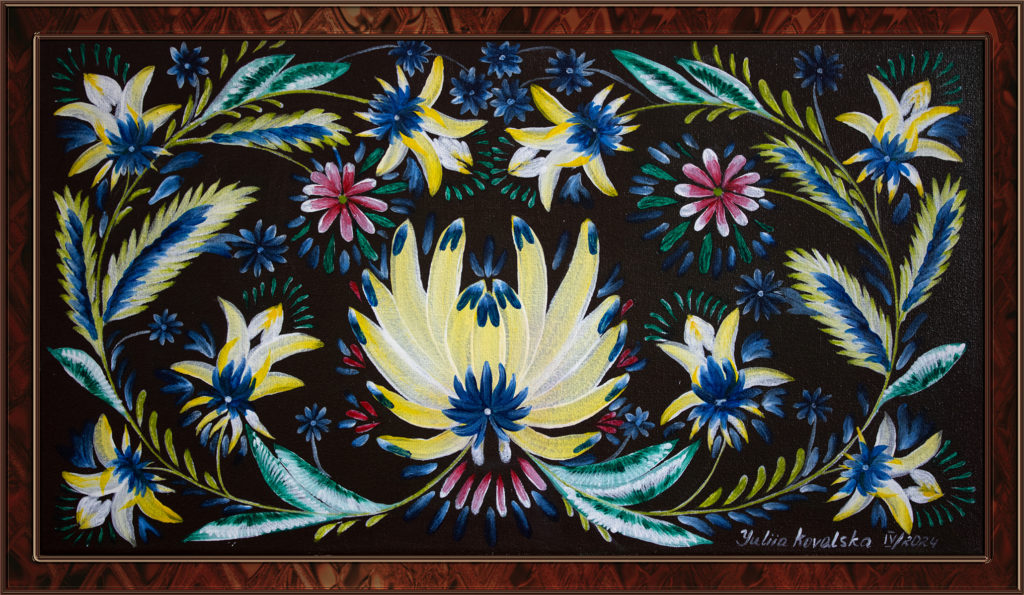
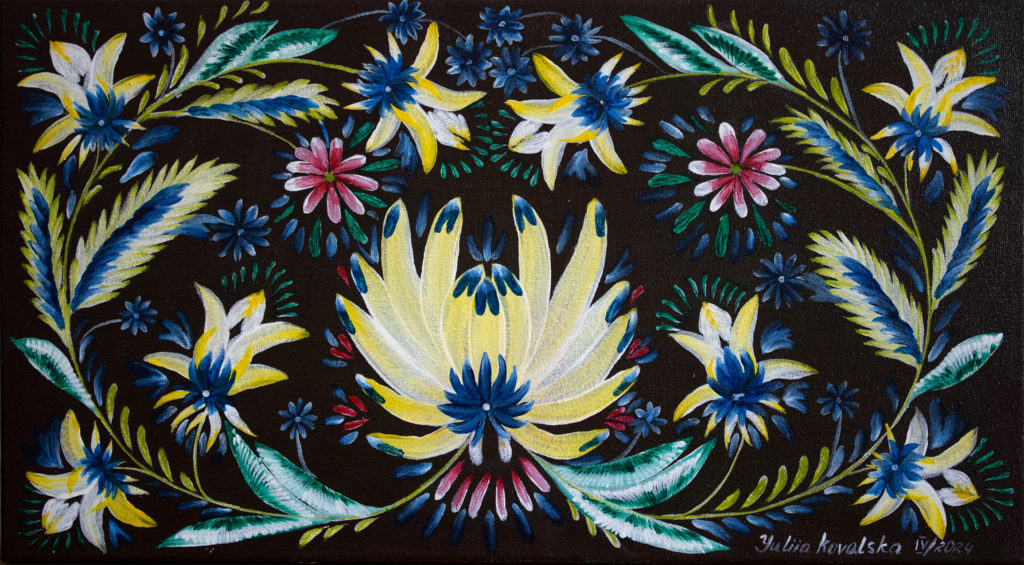
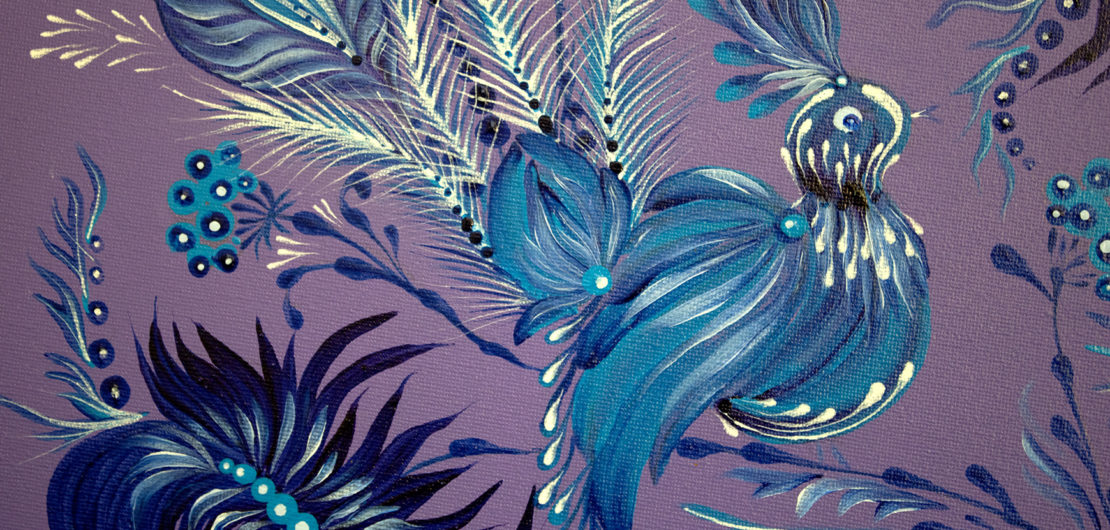
From a physical point of view, an ornament is simply some kind of pattern that is aesthetically appealing. But this is only a superficial understanding. Such patterns are a more perfect language, in which you can talk not only with other people, but also with the Universe. The ornaments of Petrikovsky painting were used as amulets: it is not just a tradition, it is something that really works. With the help of ornament one can express the very language of Nature, which has never been hostile to people. And by using ornaments, you can attract divine forces for your defence. It was also found out that images and patterns of our ancestors are not just drawings — they are able to deliver information to the oldest part of the brain — the medulla oblongata, where the deepest codes of our memory are stored. Thus, Petrikovsky painting is able to have a profound positive effect on both the body and consciousness of a person. Ornaments reflect the impact of sound, and therefore such patterns themselves are also capable of structuring water and, therefore, directly influence human health, harmonise all its internal systems with nature. Thus, clothes, rushniki embroidered with sacral ornaments, can not only correct DNA failures, improve health, harmonise consciousness, but also at a deep level to establish harmony between people and nature. Petrikovsky painting’s ornaments are not just patterns, but sacral symbols, which are able to restore a person’s health, harmonise his consciousness, increase awareness and a sense of unity with the Universe.
Ornament. Frame option
Ornament. Close-up
Ornament. Close-up
Ornament. Frame option
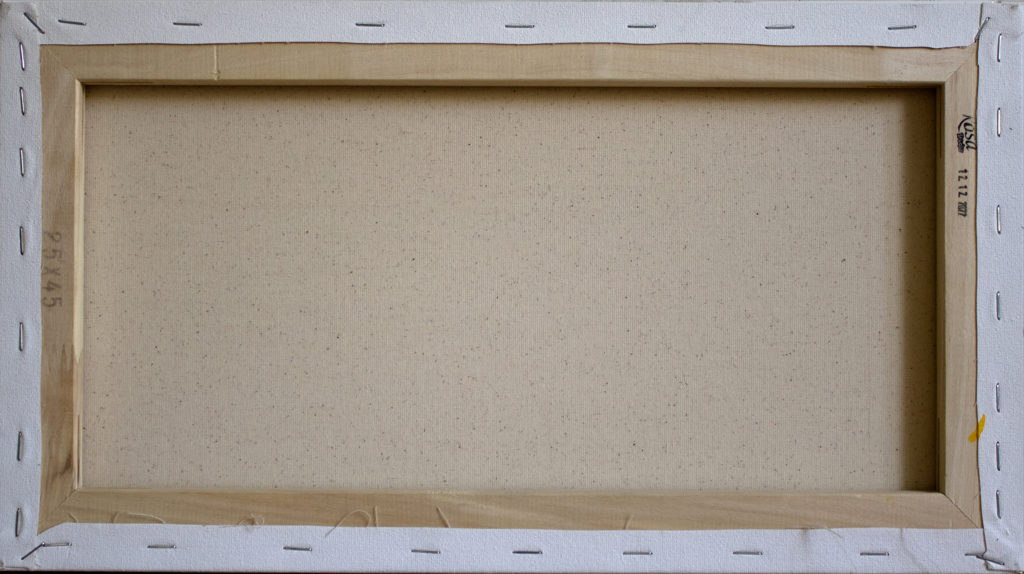
Ornament. Backside
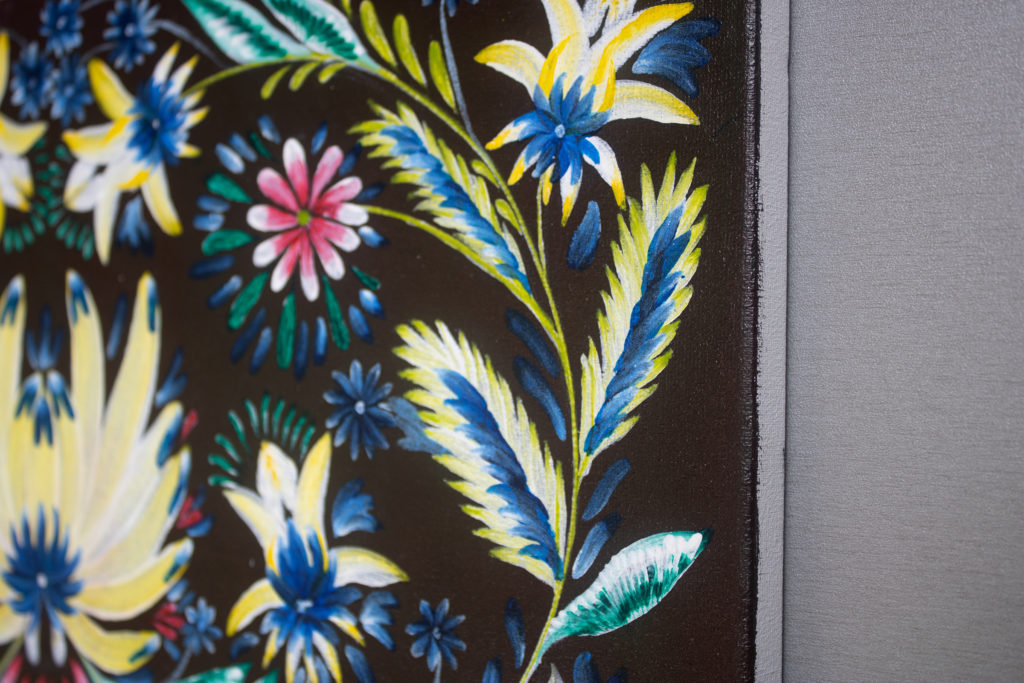
Ornament. Sidepiece. Close-up
Ornament
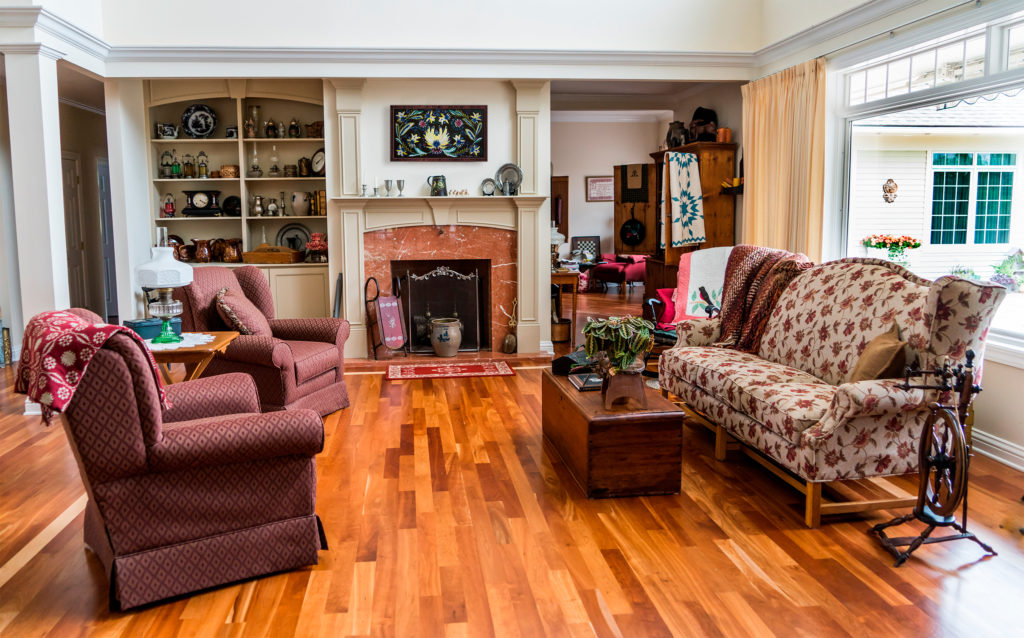
Ornament. Interior: liviing-room with a picture on the wall
If you are interested in this painting and would like to purchase it, please fill out and send the feedback form on the home page. You can also purchase this painting at the online galleries linked on the home page. Dispatch from Kiev
TITLE: Ornament. Ancient sacred symbols YEAR: 2024 ARTWORK TYPE: Original Art/One of a kind DIMENSIONS: 45х25 cm TECHNIQUES: Acrylic RELATED THEMES: Ornament SUPPORT OR SURFACE: Canvas on the canvas-stretcher FRAMING: No CATALOGUE N: Kovalska086
 Ornament